SABS Approved Subsoil Drainage SystemsReliable Drainage Solutions for South African Sites
Poor drainage is one of the most common causes of soil movement, erosion, wet foundations, and retaining wall failure. When water builds up underground, it creates pressure and weakens the soil—especially on sloped sites and high rainfall regions.
That’s why SABS approved subsoil drainage systems are widely used across South Africa for long-term water control and ground stability.
At Civil Structural & Eco-Engineering, we assist clients with professional drainage planning and practical solutions designed to handle real site conditions, prevent costly damage, and improve long-term performance.

What Is a Subsoil Drainage System?
A subsoil drainage system is a buried drainage solution designed to remove excess groundwater and seepage from below the ground surface.
Subsoil drainage helps by:
These systems are commonly installed using a perforated drainage pipe combined with filter material (stone and geotextile).
Why Subsoil Drainage Is Important in South Africa?
South African sites often experience drainage challenges due to:
South African sites often experience drainage challenges due to:
- Heavy Seasonal Rainfall (Especially Summer Rainfall Regions)
- Clay Soils That Hold Water
- Poor Stormwater Control Around Developments
- Cut Slopes And Unstable Embankments
- Groundwater Seepage On Hillsides
Without proper drainage control, the result is often:
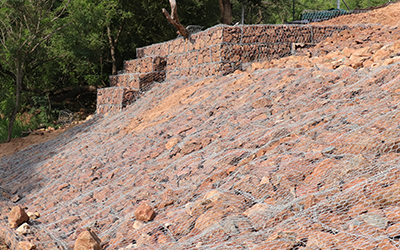
- Slope Erosion And Washaways
- Cracking In Paving And Structures
- Saturated Soil Behind Retaining Walls
- Damp Foundations And Water Ingress
- Long-Term Maintenance And Repair Costs
What Does “SABS Approved” Mean for Drainage Systems?
In South Africa, “SABS approved” typically indicates that the drainage components used meet relevant quality and manufacturing standards associated with the South African Bureau of Standards.
Why SABS Compliance Matters?
Using properly specified drainage materials improves:
- Durability And Service Life
- Performance Under Load And Pressure
- Resistance To Crushing And Deformation
- Consistent Quality For Long-Term Installations
For contractors, developments, and commercial projects, using compliant materials also helps reduce risk and ensures a more professional result.
Tip
Always confirm with your supplier which parts of the system are SABS compliant (pipe, fittings, etc.).
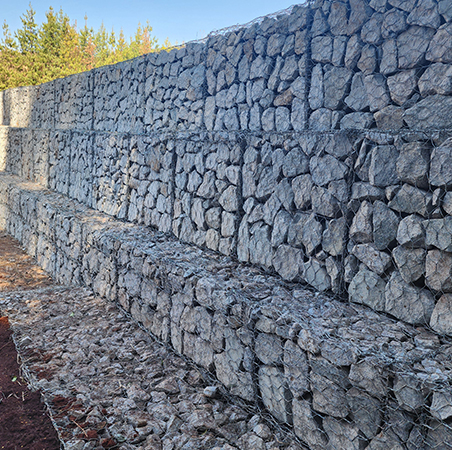
Key Components of a SABS Approved Subsoil Drainage SystemA well-designed subsoil drainage system includes more than just pipe.
Perforated Subsoil Drain Pipe
This is the core of the system, allowing groundwater to enter the pipe and flow away from the saturated area.
Common applications:
- Retaining Walls
- Slopes And Embankments
- Wet Foundation Areas
Non-Woven Geotextile Filter Fabric
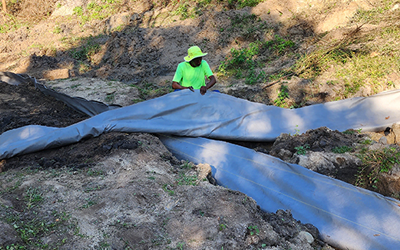
Geotextile is used to prevent soil fines from washing into the stone and clogging the system.
Benefits:
- Improves Filtration
- Reduces Silt Buildup
- Extends Drainage Lifespan
Drainage Stone / Aggregate
Stone creates a free-draining zone around the pipe so water can flow easily.
Benefits:
- Improves Water Movement
- Prevents Pipe Blockage
- Supports Long-Term Flow Performance
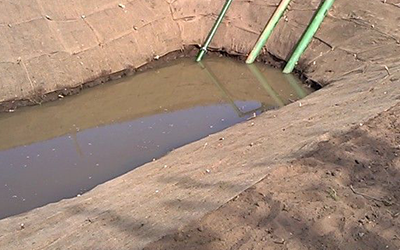
Outlet and Discharge Point
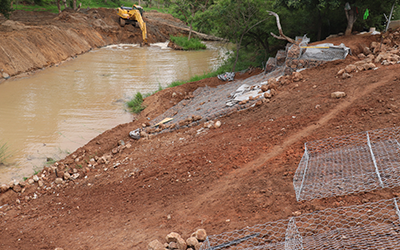
Every drainage system needs a safe discharge route. A poor outlet design can cause erosion.
Best practice:
- Direct Discharge Into A Stable Outlet Area
- Protect The Outlet With Erosion Control Where Required
Where SABS Approved Subsoil Drainage Systems Are Commonly Used?
Subsoil drainage is used across residential, commercial, agricultural, and civil engineering projects.
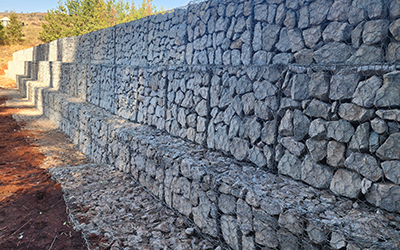
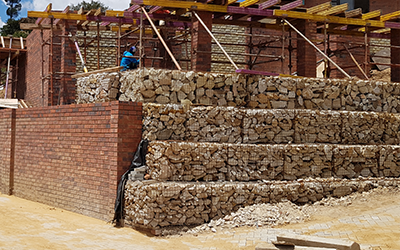
Subsoil Drainage Behind Retaining Walls
This is one of the most important subsoil drainage applications.
Why Drainage Is Critical Behind Retaining Walls
When water builds up behind a wall it increases pressure and can cause:
Subsoil drainage helps reduce hydrostatic pressure and improves wall stability.

Subsoil Drainage for Building Foundations
Wet foundations can lead to:
- Damp Interior Walls
- Mould And Structural Issues
- Ongoing Maintenance Problems
A drainage system helps control groundwater around buildings—especially on sloped sites.
Subsoil Drainage for Sports Fields and Landscaped Areas
Waterlogged areas reduce usability and cause ground damage.
Subsoil drainage improves:
- Surface Stability
- Ground Drying Time
- Long-Term Usability Of The Area
Subsoil Drainage for Roads, Driveways and Paved Areas
When water sits under paving, it can cause:
- Sinking And Uneven Surfaces
- Cracking And Movement
- Potholes And Base Failure
Subsoil drainage helps preserve the base layer and improve durability.
Benefits of Installing a Proper Subsoil Drainage SystemA well-planned drainage system delivers strong long-term value.
Improved Soil Stability
Lower water levels reduce soil weakening and slope movement.
Reduced Erosion Risk
By controlling seepage and uncontrolled groundwater flow, erosion damage is reduced.
Longer Lifespan for Retaining Walls and Structures
Drainage reduces pressure and damage behind retaining structures.
Lower Maintenance and Repair Costs
Preventing water-related failure is far cheaper than rebuilding walls, slopes, and paved areas.

Common Mistakes to Avoid With Subsoil Drainage
Even quality materials won’t perform if installation is incorrect.
No Proper Outlet
If water cannot escape safely, the system fails or causes erosion elsewhere.
No Geotextile Filter Layer
Without filtration, soil fines clog the stone and pipe—reducing flow over time.
Incorrect Pipe Gradient or Placement
Pipe must be positioned correctly to collect water and allow flow in the correct direction.
Using the Wrong Stone Size
Stone that is too fine can reduce drainage performance and clog faster.
Discharging Into Unprotected Areas
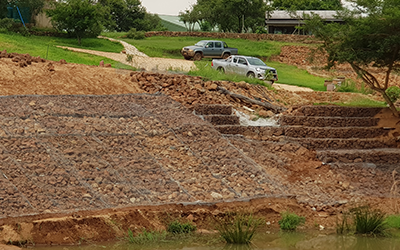
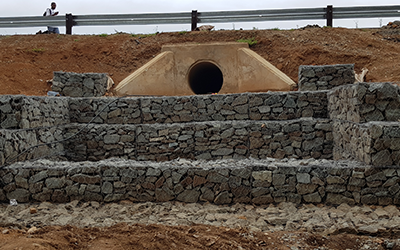
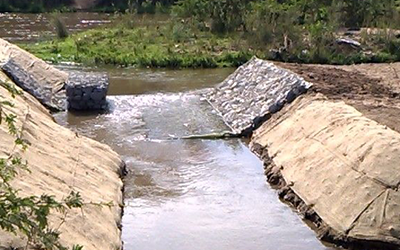
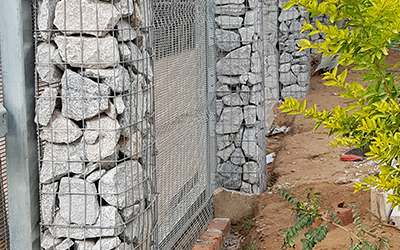
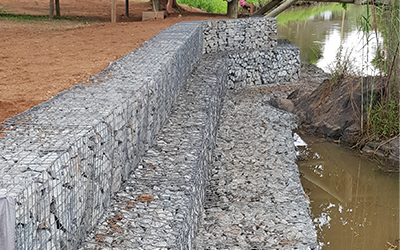
Drain outlets can create erosion if not protected with pitching, gabions, or stabilisation measures when needed.
How to Choose the Right Subsoil Drainage Solution?The best drainage design depends on:
Soil Type (Clay, Sandy, Mixed)
Proximity To Structures Or Retaining Walls
Slope And Runoff Patterns
Discharge And Outlet Options
Severity Of Groundwater Seepage
Site Access And Installation Constraints
Professional planning is recommended for long-term performance—especially on high-risk slopes or retaining structures.
Why Choose Civil Structural & Eco-Engineering?
At Civil Structural & Eco-Engineering, we provide drainage and eco-engineering solutions suited to South African conditions and real site challenges.
We assist with:
- Planning Subsoil Drainage Layouts
- Specifying Correct Drainage Materials
- Geotextile Filtration Recommendations
- Erosion Protection At Outlets
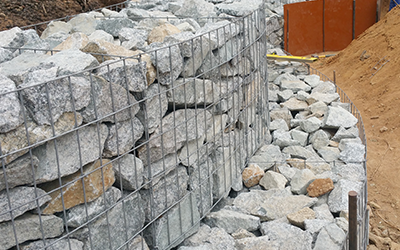
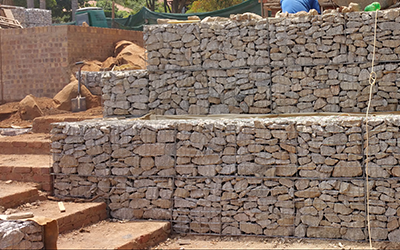
- Integration With Retaining Walls And Gabion Systems
Our focus is always long-term functionality and reduced maintenance.
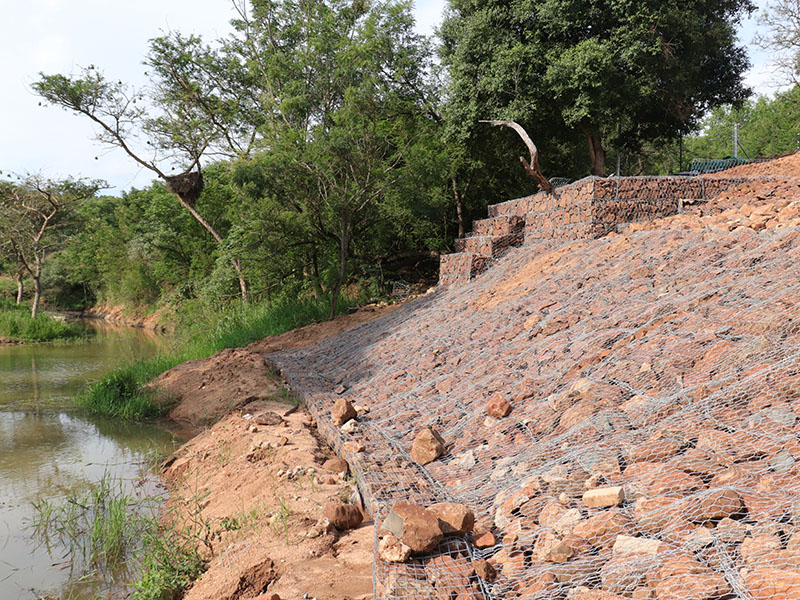
SABS Approved Subsoil Drainage Systems Protect Your Site Long-Term
If you’re dealing with wet ground, seepage, unstable slopes, or retaining wall pressure, a properly designed SABS approved subsoil drainage system is one of the best investments you can make.
It improves soil stability, protects infrastructure, and helps prevent costly water-related failures.
For professional guidance and reliable drainage solutions in South Africa, Civil Structural & Eco-Engineering is ready to assist.