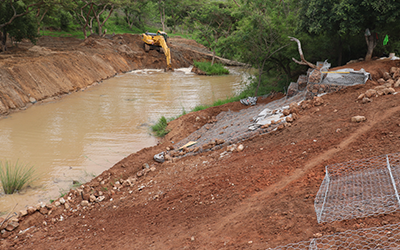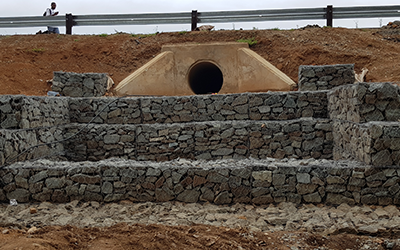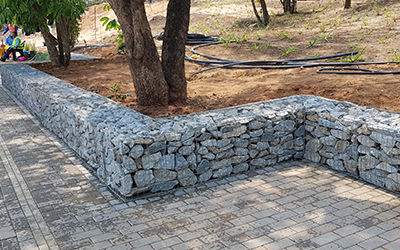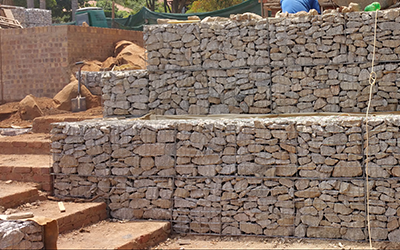
Geotextiles for Soil StabilizationStronger Ground, Better Drainage & Long-Term Performance
Soil instability is one of the biggest causes of failure in civil engineering and construction projects. Whether you’re building a retaining wall, stabilising a slope, repairing erosion damage, or preparing a base for a road or driveway, unstable soil can lead to ongoing settlement, cracking, washaways, and costly repairs.
That’s where geotextiles for soil stabilization offer a practical, proven solution.
Geotextiles strengthen weak ground, separate soil layers, improve drainage, and reduce erosion—making them a key component in modern civil and eco-engineering projects across South Africa.
At Civil Structural & Eco-Engineering, we assist clients with practical soil stabilisation solutions, including the correct use of geotextiles for long-term stability and performance.

What Are Geotextiles?
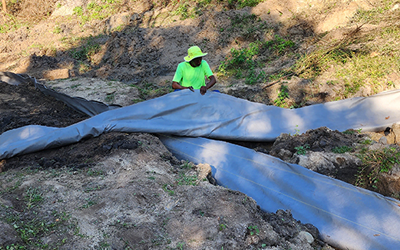
Geotextiles are engineered fabric materials used in construction and civil engineering to improve soil performance. They are placed between soil layers to strengthen the ground and manage water movement.
Geotextiles are commonly used for:
They come in rolls and are installed directly onto prepared ground surfaces.
How Geotextiles Help With Soil Stabilization?
Geotextiles improve soil performance through a combination of functions. The correct geotextile type depends on your site conditions and the problem you’re trying to solve.
Separation (Preventing Layer Mixing)
One of the most common uses of geotextiles is to prevent different layers of material from mixing over time.
For example:
- Soft Soil Below
- Gravel Or Road Base Above
Without separation, the gravel can sink into the soft soil, resulting in a weak base and ongoing settlement.
Geotextiles prevent this by creating a stable separation layer.
Reinforcement (Improving Load Support)
Geotextiles can strengthen the soil structure by helping distribute loads.
This is especially useful under:
Access Roads
Driveways
Parking Areas
Building Platforms
Reinforcement helps reduce rutting, sinking, and uneven settlement.
Filtration (Stopping Soil Washout)
Geotextiles allow water to pass through while holding back fine soil particles. This helps prevent soil from washing away.
Filtration is critical in areas with runoff or drainage flow, such as:
- Behind Retaining Structures
- Slopes And Embankments
- Riverbank Protection Systems
Drainage (Reducing Saturation and Weak Soil)
Waterlogged soil becomes weak and unstable. Geotextiles can support drainage by allowing controlled water flow while maintaining soil structure.
Drainage improves:
- Slope Stability
- Retaining Wall Performance
- Erosion Resistance

Types of Geotextiles Used for Soil Stabilization
There are two main geotextile types used in civil engineering applications.
Non-Woven Geotextiles
Non-woven geotextiles are felt-like and flexible. They are typically used for filtration and drainage.
Best for:
- Drainage Behind Retaining Walls
- Erosion Control Applications
- Filtration Layers In Wet Areas
- Riverbank And Channel Protection Systems
Woven Geotextiles
Woven geotextiles are stronger and more rigid due to their woven structure. They are commonly used for reinforcement and separation.
Best for:
- Roads And Driveways
- Soft Ground Stabilisation
- Parking Areas And Load-Bearing Surfaces
- Reinforcement Under Base Layers
Common Applications of Geotextiles for Soil Stabilization in South AfricaGeotextiles are widely used on construction sites where soil conditions are not ideal.
Geotextiles for Road and Driveway Base Stabilization
Geotextiles improve performance on soft or unstable ground by separating soil and base layers.
Benefits include:
- Reduced Rutting
- Better Compaction Results
- Longer Lifespan Of The Road Surface
Geotextiles Behind Retaining Walls
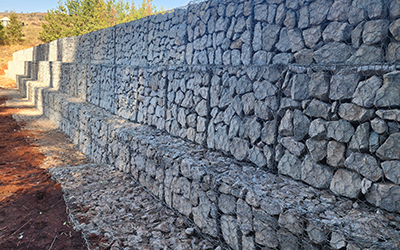
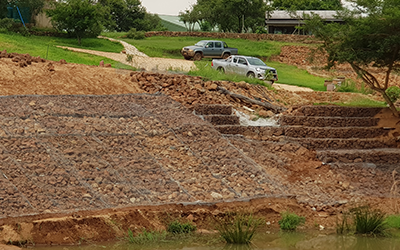
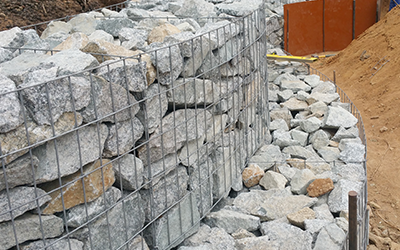
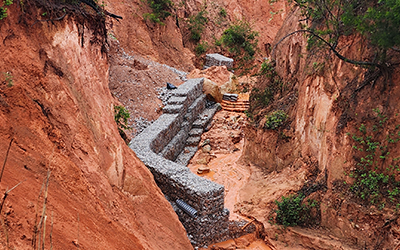
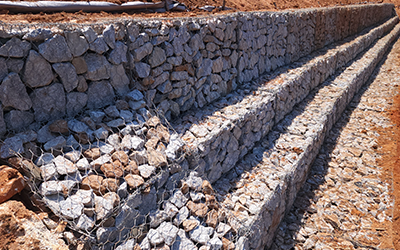
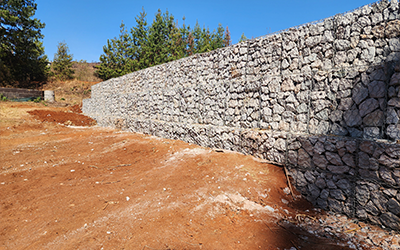
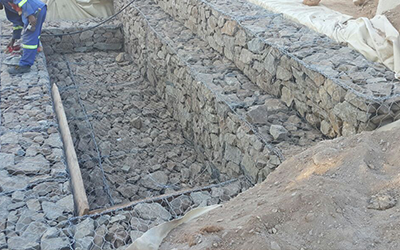
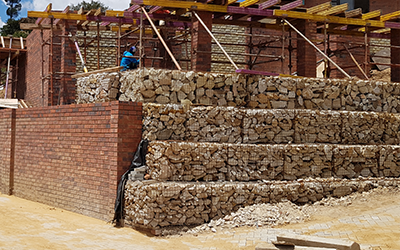
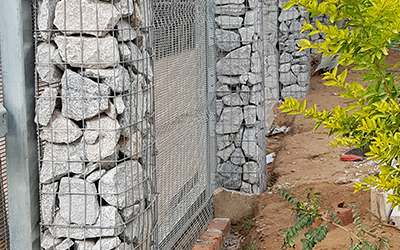
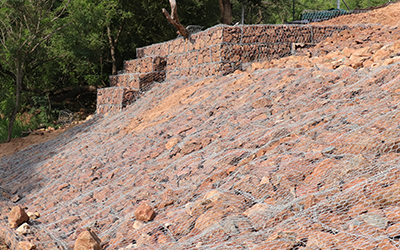
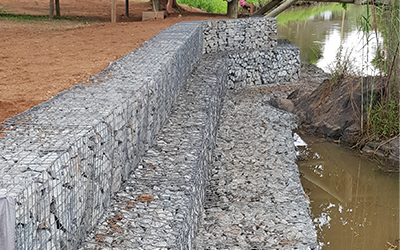
Geotextiles are often used behind gabion retaining walls to prevent fines from washing out through the rock fill.
This helps:
Maintain Soil Stability
Reduce Settlement
Improve Long-Term Wall Performance
Geotextiles for Slope Stabilization and Erosion Control
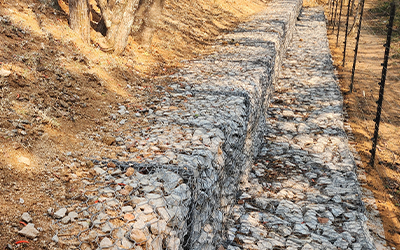
Geotextiles protect soil on slopes by reducing surface erosion and helping stabilise the ground.
Best for:
Embankments
Cut Slopes
Erosion-Prone Residential Stands
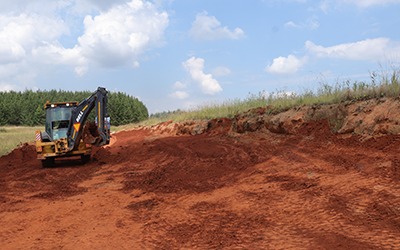
Exposed Soil After Earthworks
Geotextiles for Drainage Systems
Geotextiles are commonly used as filter wraps around drainage layers to prevent clogging.
This supports:
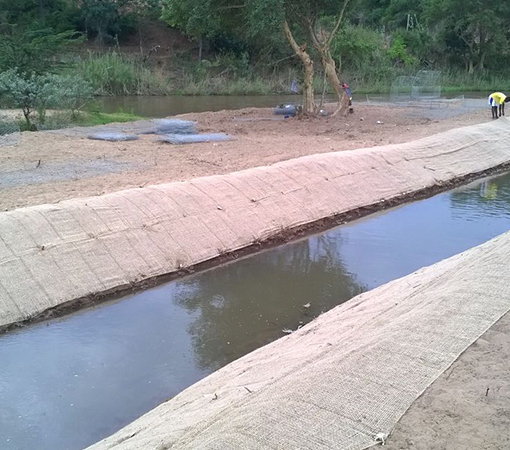
Geotextiles for Riverbank and Channel Protection
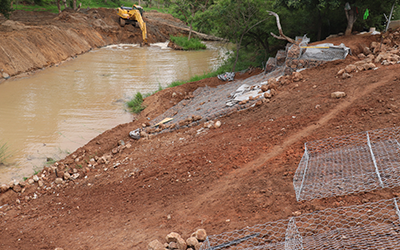
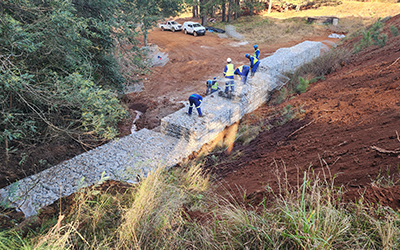
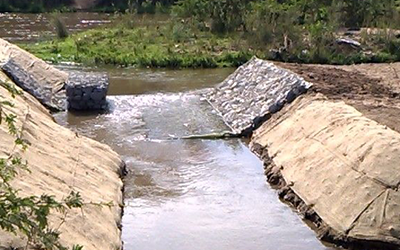
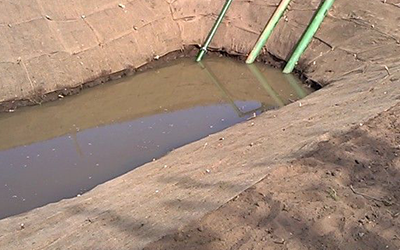
Geotextiles can be installed under reno mattresses and gabion systems to prevent soil loss under flowing water.
This helps:
Benefits of Using Geotextiles for Soil StabilizationGeotextiles offer multiple long-term benefits for both small and large construction projects.
Improved Ground Strength
Geotextiles help weak soil perform better under load.
Longer Lifespan of Structures
Roads, retaining walls, and slopes last longer when the soil foundation is stable.
Reduced Construction Costs
In many cases, geotextiles allow you to use less imported fill by stabilising existing soil.
Better Erosion Resistance
Geotextiles reduce soil washout and erosion, especially during heavy rainfall.
Better Drainage and Less Water Damage
They support water movement and reduce soil saturation.
Common Mistakes to Avoid When Using Geotextiles
Even good geotextile material can fail if installed incorrectly.
Using the Wrong Type of Geotextile
Not all geotextiles are suitable for every job. The function (separation, filtration, reinforcement) must match the product type.
Poor Surface Preparation
Geotextiles should be installed on a properly prepared surface to avoid tearing or voids.
Overlapping Incorrectly
Overlaps must be consistent to maintain separation and prevent soil migration.
Exposure to Sunlight for Too Long
Some geotextiles can degrade if left exposed. Install cover layers promptly after placement.
How to Choose the Right Geotextile for Your Project?
When selecting geotextiles for soil stabilization, consider:
A professional assessment ensures you don’t waste money on the wrong product.

Why Choose Civil Structural & Eco-Engineering?
At Civil Structural & Eco-Engineering, we provide practical soil stabilisation guidance based on real South African conditions.
We assist clients with:
Geotextile Selection Support
Gabion Retaining Wall Integration
Soil Stabilization Planning
Drainage And Slope Stability Recommendations
Erosion Control Solutions
Geotextiles Are a Smart Investment for Soil Stabilization
If your project involves soft ground, erosion risk, or drainage issues, geotextiles are one of the best ways to improve long-term stability. They help strengthen soil, prevent layer mixing, improve drainage, and reduce erosion—making them essential in civil engineering projects across South Africa.
For professional guidance on geotextiles for soil stabilization, Civil Structural & Eco-Engineering is ready to assist with expert recommendations and practical solutions.