Non-Woven Geotextile (Bidim Equivalent)Drainage & Filtration Fabric for South African Projects
If you’re looking for non-woven geotextile (Bidim equivalent), you’re likely working on a drainage, erosion control, or soil filtration project where you need a reliable fabric that prevents soil washout while allowing water to pass through.
Non-woven geotextiles are widely used throughout South Africa in civil engineering, construction, and eco-engineering applications—especially where long-term drainage performance is critical.
At Civil Structural & Eco-Engineering, we assist clients with selecting and supplying the correct non-woven geotextile for the job, including Bidim-equivalent options suitable for South African site conditions.

What Is Non-Woven Geotextile (Bidim Equivalent)?
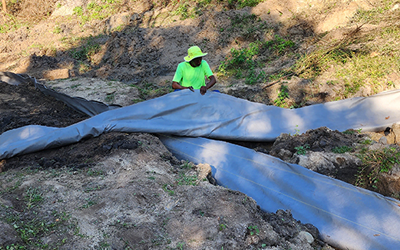
A non-woven geotextile is a synthetic fabric made from bonded fibres (commonly polypropylene or polyester). It has a felt-like texture and is designed primarily for:
“Bidim equivalent” generally refers to a non-woven geotextile with similar performance characteristics to Bidim-type products, used in drainage and filtration applications.
In practice, the most important factor is the geotextile’s specification and suitability for the application—not just the brand name.
What Is Non-Woven Geotextile Used For?
Non-woven geotextiles are used wherever you need water to flow while keeping soil stable and preventing clogging.
Drainage and Filtration Systems
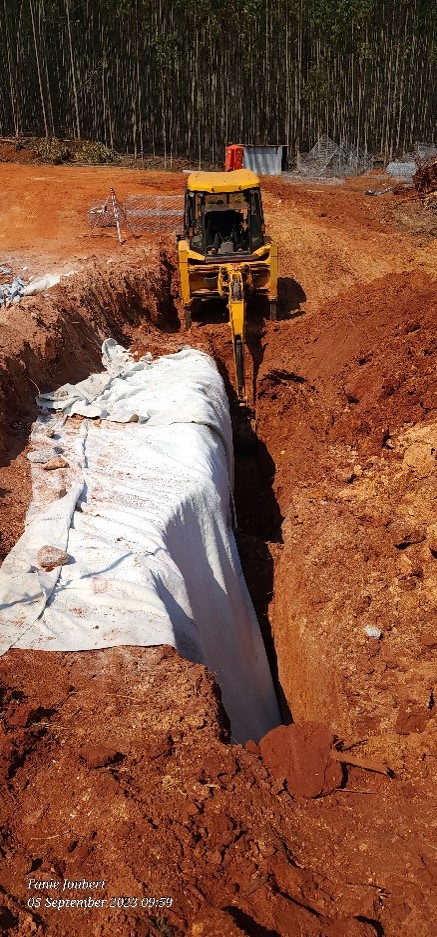
One of the most common uses is for drainage trenches and subsoil systems.
Used for:
- French Drains
- Soakaway Support Systems
- Subsoil Drainage Behind Walls
- Drainage Trenches Around Buildings
Why It Works
Non-woven geotextile allows water through but blocks soil fines, keeping the stone drainage zone clean and functional long-term.
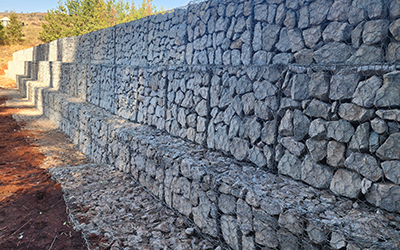
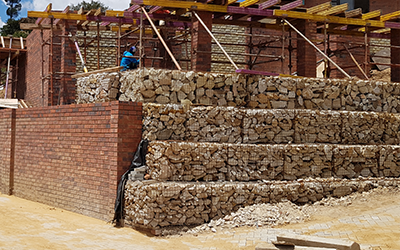
Gabion Walls and Retaining Structures
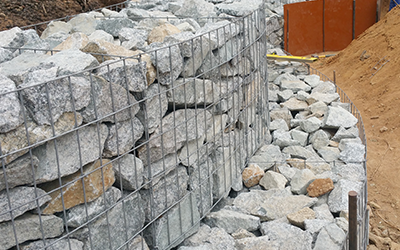
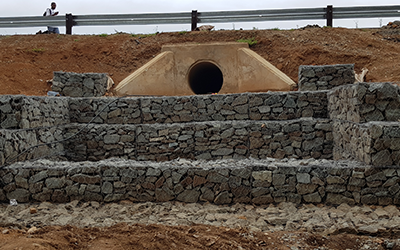
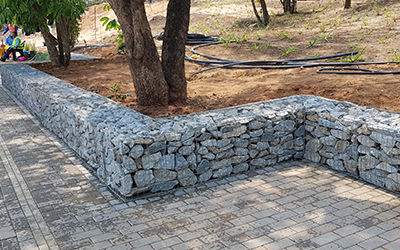
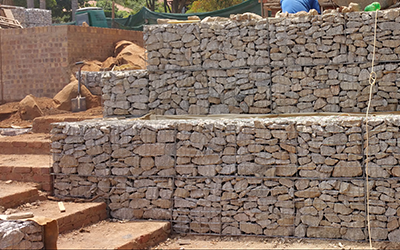
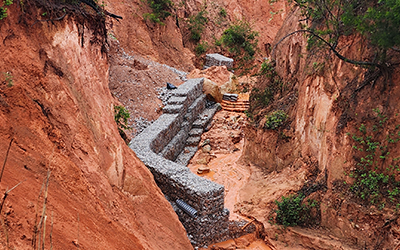
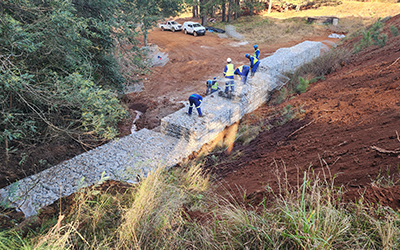
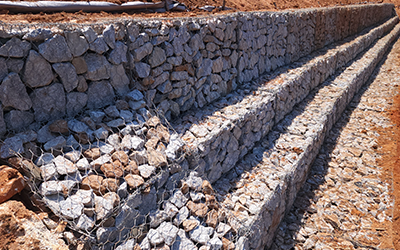
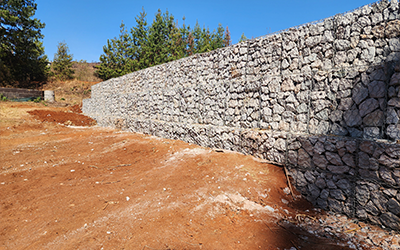
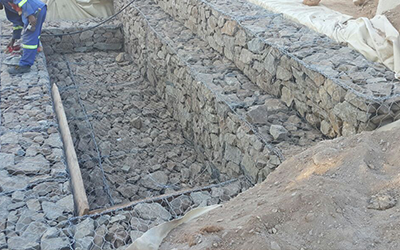
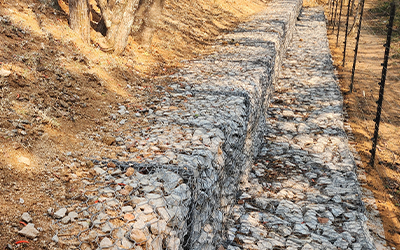
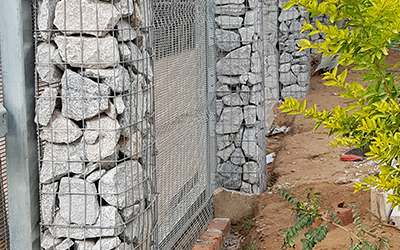
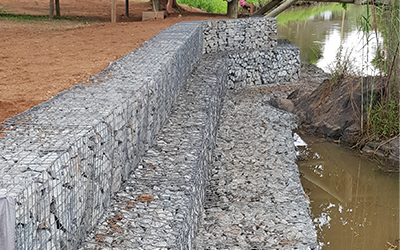
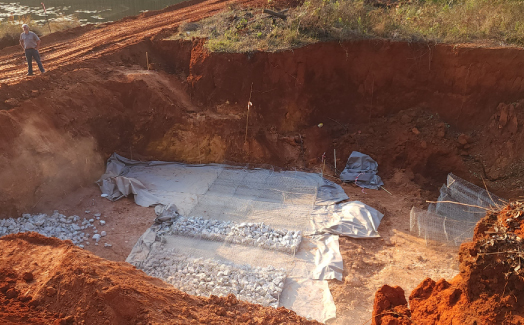
Non-woven geotextile is commonly installed behind gabion structures to prevent soil loss through the rock fill.
Used for:
- Gabion Retaining Walls
- Erosion Control Gabions
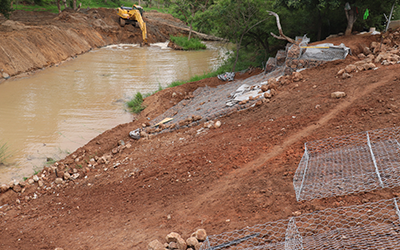
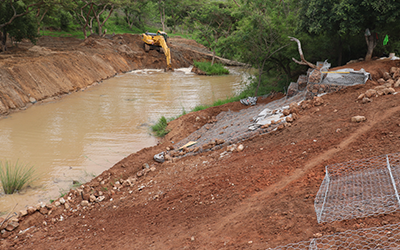
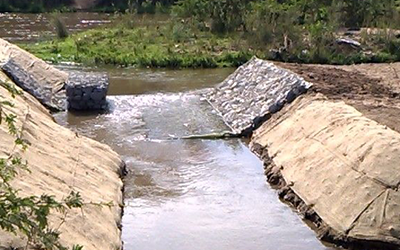
- Riverbank Stabilisation Systems
- Reno Mattresses And Channel Works
Why It Matters
Without a filter layer, fine soil can wash out and create settlement behind the structure.
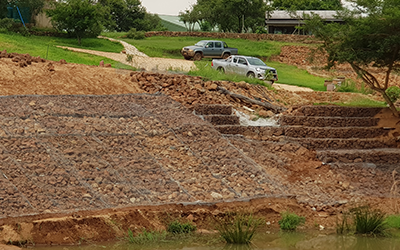
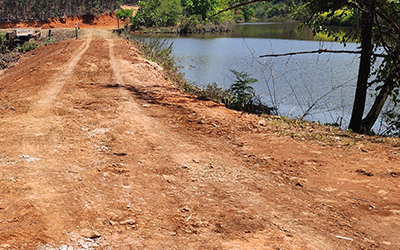
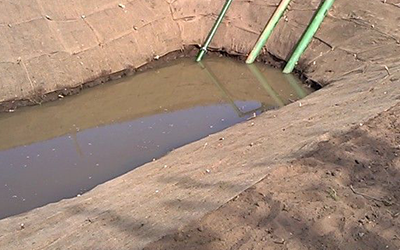
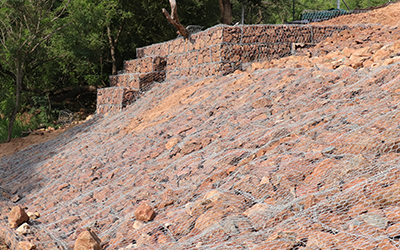
Erosion Control Under Rock PitchingNon-woven geotextiles are often used under stone pitching to prevent erosion and soil migration.
Used for:
- Drainage Line Protection
- Culvert Outlet Zones
- Slope Protection Systems

Protection Layers for Liners (Geomembranes)
When using dam liners or waterproof membranes, non-woven geotextiles act as a protective cushioning layer.
Used for:
This significantly increases liner lifespan in harsh site conditions.
Benefits of Using Non-Woven Geotextile (Bidim Equivalent)Non-woven geotextiles offer excellent value in both small and large projects.
Improved Drainage Performance
They maintain water flow while preventing clogging.
Durable and Long-Lasting
When installed correctly, geotextiles perform reliably for long periods under soil and stone layers.
Prevents Soil Washout
They keep soil stable in erosion-prone and drainage areas.
Cost-Effective Ground Protection
They reduce the chance of failure and expensive repairs later.
Reduces Settlement and Ground Movement
By stopping soil loss, they reduce long-term ground instability.
Where Non-Woven Geotextile Is Commonly Used in South AfricaNon-woven geotextiles are common in:
Reduce the need for concrete-heavy construction
Farms And Agricultural
Infrastructure
Eco-Estate And Lodge
Developments
Commercial
Developments
Stormwater Management
Systems
Roadworks And
Access Routes
Retaining Walls And
Slope Stabilisation Works
They are especially useful in regions with heavy rainfall, where runoff and seepage cause ongoing erosion issues.
How to Choose the Right Non-Woven Geotextile?
Not all non-woven geotextiles are the same. Selection should be based on the application.
Geotextile Weight / Grade (GSM)
Non-woven geotextiles are often specified by GSM (grams per square metre).
Higher GSM usually provides:
- Greater Thickness
- Better Puncture Resistance
- Improved Durability In Stone Applications
Lower GSM is suited for:
- Lighter Drainage Applications
- Low-Risk Filtration Zones
Strength and Puncture Resistance
For gabions or rock applications, the fabric must handle sharp stone contact without tearing.
Filtration Properties
The geotextile must allow water through while holding back fine particles.
Roll Size and Coverage
Choosing the correct roll size reduces overlaps and installation waste.
Installation Tips for Best ResultsCorrect installation is key to performance.
Overlap Properly
Overlapping prevents soil migration through joins.
Cover Promptly
Geotextile should not be left exposed for long periods before covering with stone or soil.
Avoid Tearing and Damage
Geotextile should be installed on a prepared surface without sharp objects.
Use With Correct Drainage Stone
The stone layer must support free drainage and prevent clogging.
Common Mistakes to Avoid
Using the Wrong Fabric Type
Non-woven is best for filtration and drainage. Woven geotextiles are usually better for reinforcement in road base applications.
Skipping the Filter Layer Behind Gabions
This often leads to soil loss, settlement, and wall movement over time.
Poor Outlet and Drainage Planning
Geotextile helps drainage, but water still needs safe discharge points to prevent erosion elsewhere.
Why Choose Civil Structural & Eco-Engineering?At Civil Structural & Eco-Engineering, we assist with practical site solutions that improve long-term performance and reduce failure risk.
We help clients with:
Non-Woven Geotextile (Bidim Equivalent) Is Essential for Reliable Drainage and Filtration
Non-woven geotextile plays a critical role in drainage, erosion control, and soil stability across South Africa. When used correctly, it prevents soil washout, improves drainage performance, and extends the lifespan of civil structures.
If you need non-woven geotextile (Bidim equivalent) for your project, Civil Structural & Eco-Engineering is ready to assist.