Off-Grid Sewage Treatment for Eco-LodgesSustainable Wastewater Solutions in South Africa
Eco-lodges are built to offer guests a natural, low-impact experience—often in remote areas where municipal sewer infrastructure is not available. But even off-grid locations still produce wastewater from bathrooms, kitchens, laundry, and staff facilities.
That’s why off-grid sewage treatment for eco-lodges is essential for safe operation, guest comfort, and environmental protection.
A well-designed wastewater system reduces pollution risk, protects groundwater and nearby rivers, and helps your lodge maintain a responsible environmental footprint while meeting practical operational needs.
At Civil Structural & Eco-Engineering, we assist eco-lodges across South Africa with off-grid wastewater planning and sustainable engineering support suited to sensitive natural environments.
Why Eco-Lodges Need Proper Off-Grid Sewage Treatment?
Poor wastewater management can cause major issues, especially in nature-based locations.
Environmental Risks
Untreated sewage can lead to:
- Groundwater Contamination
- Pollution Of Rivers And Wetlands
- Harmful Bacteria Entering Ecosystems
- Long-Term Site Damage And Rehabilitation Costs
Operational and Guest Experience Issues
A failing sewage system can cause:
- Bad Odours
- Blocked Drains And Backups
- Surface Pooling And Mosquito Breeding
- Reputational Damage And Complaints
A strong off-grid sewage system protects both your lodge and its surrounding environment.
What Wastewater Does an Eco-Lodge Produce?
An eco-lodge typically generates two main types of wastewater.
Blackwater (Sewage)
Blackwater includes waste from toilets and must be properly treated.
Greywater
Greywater comes from:
- Showers And Baths
- Basins
- Laundry
- Kitchen (Often Needs Extra Care Due To Fats And Grease)
Eco-lodge wastewater systems must be designed for realistic peak loads—especially during holiday seasons and high occupancy periods.
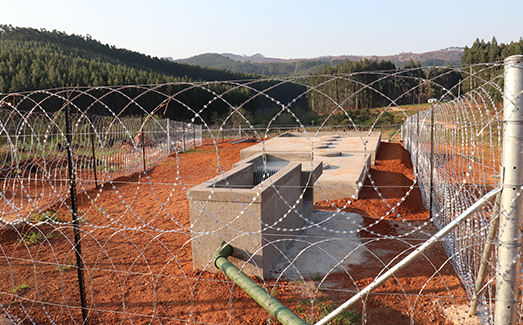
Best Off-Grid Sewage Treatment Options for Eco-Lodges
The right system depends on site conditions, lodge capacity, environmental sensitivity, and maintenance availability.
Septic Tank Systems (Basic Off-Grid Option)
Septic tanks are a common solution for smaller lodges, but they must be sized correctly and installed with suitable effluent disposal systems.
How Septic Systems Work?
A septic system usually includes:
- Septic Tank (Solid Separation And Partial Digestion)
- Soakaway Or Drainage Field (Effluent Infiltration Into Soil)
When Septic Systems Work Best?
Best for:
- Smaller Eco-Lodges Or Cabins
- Low To Moderate Wastewater Volumes
- Sites With Good Soil Drainage
- Locations With Sufficient Space For Soakaways
Limitations for Eco-Lodges
Septic systems can struggle if:
- Occupancy Fluctuates Drastically
- Soil Is Clay-Based Or Poorly Draining
- Groundwater Is Shallow
- The Lodge Is Near Sensitive Watercourses
Package Wastewater Treatment Plants (High-Performance Option)Package plants are one of the best long-term solutions for eco-lodges, especially in environmentally sensitive locations.
What Package Plants Do?
Package plants treat sewage using biological processes and produce cleaner effluent than septic systems.
Best for:
- Larger Lodges Or Higher Guest Capacity
- Sites Needing Improved Treatment Performance
- Areas With Sensitive Ecosystems
- Long-Term Eco-Tourism Facilities
Benefits of Package Plants
- Better Effluent Quality Than Septic Systems
- Reduced Pollution Risk
- Can Handle Consistent Lodge Operations Well
- Often Compact And Suitable For Remote Sites
Considerations
Package plants may require:
- Reliable Power Supply (Solar/Inverter Options Can Assist)
- Planned Maintenance And Monitoring
Constructed Wetlands
(Eco-Friendly Treatment Option)
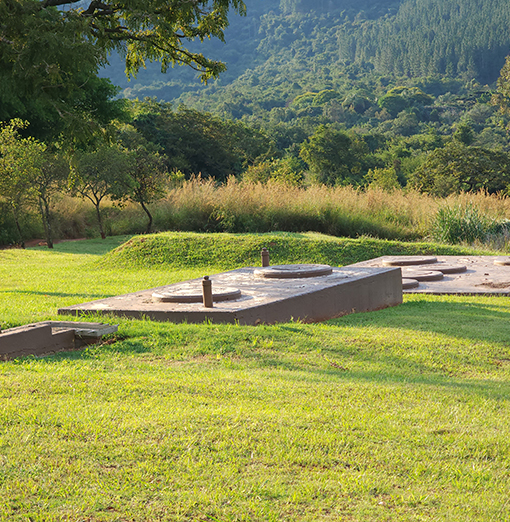
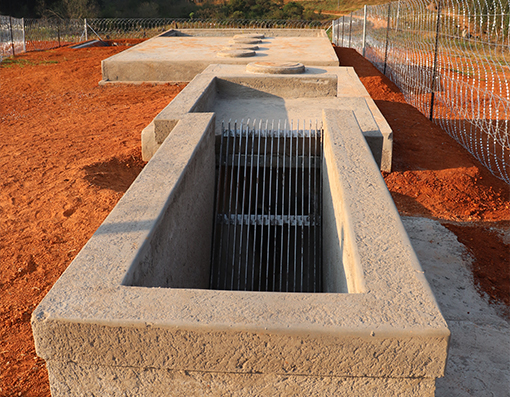
Constructed wetlands use natural biological processes and plant filtration to treat wastewater.
Why Wetlands Suit Eco-Lodges?
Constructed wetlands are attractive for eco-lodges because they:
Best for:
Considerations
Wetlands still require correct design, maintenance, and appropriate placement away from flood or erosion risk zones.
Greywater Management Systems (Water Saving Potential)Eco-lodges often aim to reduce water usage and improve sustainability. Greywater management can help with this.
Greywater Reuse Options
Greywater can sometimes be reused for:
- Irrigation (Site Dependent)
- Landscaping Support
- Controlled Dispersion Systems
Greywater must be handled carefully to prevent:
- Odours
- Surface Pooling
- Health Risks
- Contamination During Heavy Rains
Key Design Factors for Off-Grid Sewage Systems at Eco-LodgesEco-lodges require more planning than a standard household system.
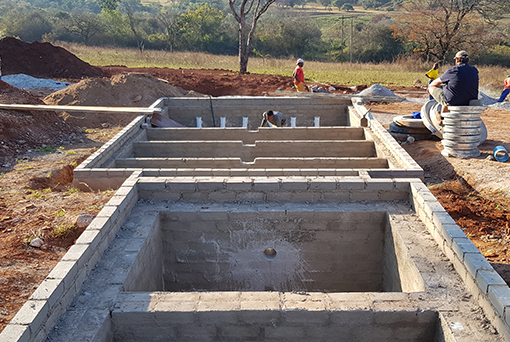
Occupancy and Peak Load Planning
A major factor is fluctuating guest numbers.
Designing a system for “average use” can cause failures during peak periods.
Design must consider:
- Number Of Units And Beds
- Seasonal Occupancy
- Staff Accommodation
- Restaurant And Kitchen Loads
Soil Type and Infiltration Ability
Soil conditions affect whether soakaways and infiltration systems are viable.
- Sandy soil drains well (but may risk contamination if untreated)
- Clay soil drains poorly and can cause failures
Groundwater and Borehole Protection
Many eco-lodges rely on boreholes. A wastewater system must protect groundwater sources.
Proper layout and treatment quality reduce long-term contamination risk.
Proximity to Rivers, Wetlands, and Drainage Lines
Eco-lodges are often located near natural water features.
This requires careful wastewater placement and discharge control to protect sensitive areas.
Maintenance and Operational Practicality
Off-grid systems must match the lodge’s ability to maintain them.
Key considerations:
- Access For Desludging
- Ease Of Monitoring
- Availability Of Service Teams
- Long-Term Cost Planning
Common Mistakes to AvoidEco-lodges can prevent costly problems by avoiding these common issues:
Undersized Systems
Small tanks and limited treatment capacity quickly lead to backups and pollution risk.
No Grease Trap for Kitchens
Kitchen wastewater introduces fats and oils that can clog and damage systems without proper pre-treatment.
Poor Placement
Installing too close to watercourses or unstable ground increases environmental risk.
Ignoring Stormwater and Erosion
Drainage around the treatment area must be managed to prevent flooding, washouts, or system damage.
Compliance Considerations in South Africa
In South Africa, sewage treatment and effluent disposal may require approvals depending on:
Lodge Size And Wastewater Volume
Discharge Method And Environmental Sensitivity
Location Near Watercourses Or Wetlands
Local Municipality Requirements And Bylaws
It’s best to confirm requirements early in planning to ensure the eco-lodge remains compliant and responsible.
Compliance requirements vary by region and project scope.
Why Choose Civil Structural & Eco-Engineering?At Civil Structural & Eco-Engineering, we provide practical off-grid wastewater guidance that supports eco-lodge sustainability and long-term performance.
We assist with:
Off-Grid Sewage Treatment Is Essential for Eco-Lodge Sustainability
Eco-lodges need wastewater treatment systems that work reliably, protect the environment, and support guest comfort. The best off-grid solution depends on your lodge size, soil conditions, water sensitivity, and long-term maintenance plan.
If you need professional support for off-grid sewage treatment for eco-lodges in South Africa, Civil Structural & Eco-Engineering is ready to assist with sustainable, site-specific solutions.