Geotextiles South AfricaThe Complete Guide for Drainage, Erosion Control & Soil Stabilisation
Geotextiles are one of the most important materials used in modern civil engineering and construction. They help strengthen soil, improve drainage, prevent erosion, and extend the lifespan of roads, retaining walls, and earthworks.
If you’re searching for geotextiles in South Africa, you’re likely looking for a solution to one of these common problems:
- Weak or unstable soil
- Erosion and washaways after rain
- Poor drainage and waterlogged ground
- Soil washing out behind retaining structures
- Road base failure and rutting
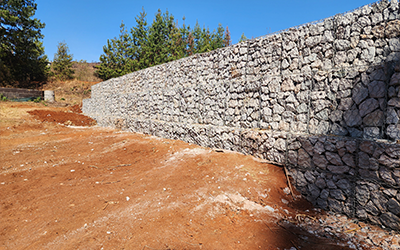
At Civil Structural & Eco-Engineering, we supply and advise on geotextile solutions for South African conditions—especially for erosion control, drainage filtration, and gabion wall support.

What Are Geotextiles?
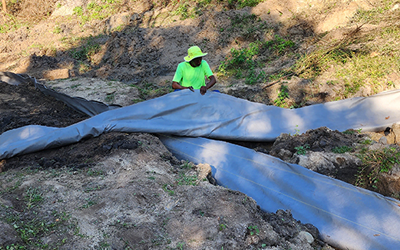
Geotextiles are engineered fabrics placed between soil layers to improve ground performance. They are made from strong synthetic materials and are used to manage water flow and soil stability.
Geotextiles are commonly used for:
They are supplied in rolls and installed during earthworks or construction.
Why Geotextiles Are Important in South Africa?
South Africa has a wide range of soil types and climates—from sandy soils to clay soils, and from dry regions to high rainfall areas.
Many sites experience:
Heavy storms and runoff
Embankment erosion near roads
Soil movement and settlement
Flooding and scouring near watercourses
Drainage lines cutting through land
Geotextiles help prevent structural failure by supporting soil and improving drainage performance.
Types of Geotextiles Available in South Africa
Choosing the right type of geotextile depends on your project function.
Non-Woven Geotextiles
Non-woven geotextiles are felt-like fabrics used mainly for drainage and filtration.
Best for:
- Drainage Trenches And French Drains
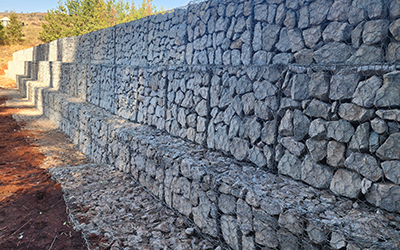
- Filter Layers Behind Gabion Walls
- Erosion Control Under Stone Pitching
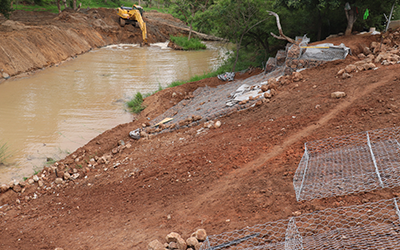
- Riverbank And Channel Filtration Support
Why Non-Woven Geotextiles Work Well
They allow water to pass through while holding back soil fines—preventing soil washout and drainage failure.

Woven Geotextiles
Woven geotextiles look like a woven pattern and are stronger for reinforcement and separation.
Best For:
- Roads And Driveways
- Parking Areas
- Access Routes Over Soft Soil
- Separation Between Soft Ground And Base Layer
Why Woven Geotextiles Are Used
They provide stronger reinforcement and load distribution, which helps reduce rutting and sinking on weak ground.
Main Uses of Geotextiles in South Africa
Geotextiles are used across residential, commercial, agricultural, and civil engineering projects.
Geotextiles for Drainage and Filtration
Geotextiles prevent fine soils from clogging drainage systems.
Common uses include:
- Subsoil Drainage
- French Drains
- Behind Retaining Walls
- Stormwater Filtration Layers
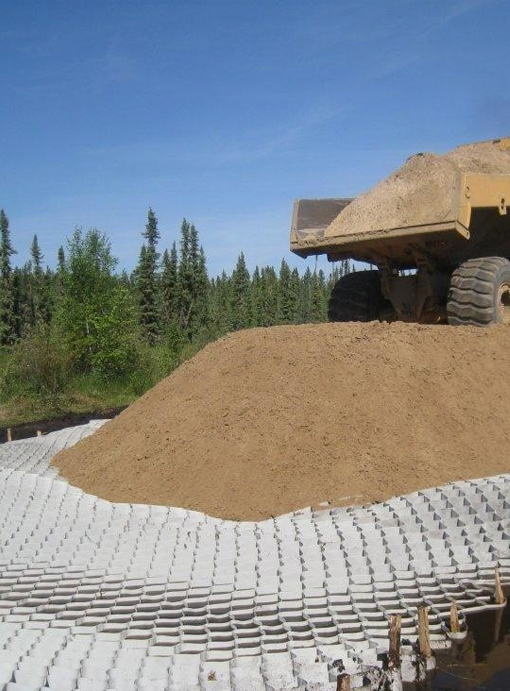
Geotextiles for Soil Stabilisation
Geotextiles improve ground performance where soil is weak or unstable.
Common uses include:
- Building Platforms
- Access Roads
- Driveways And Parking Areas
- Embankment Reinforcement
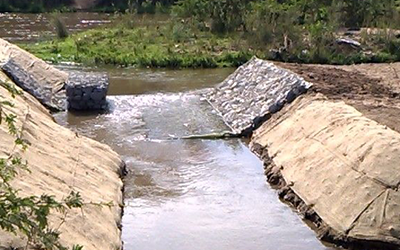
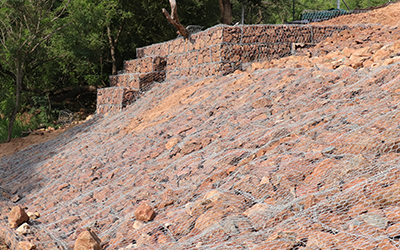
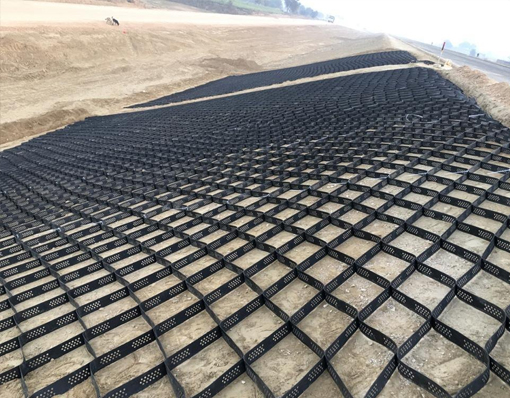
Geotextiles for Erosion Control
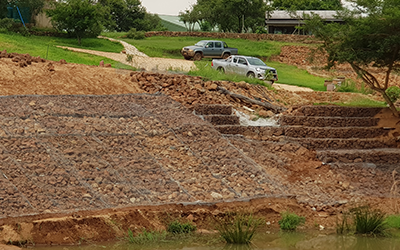
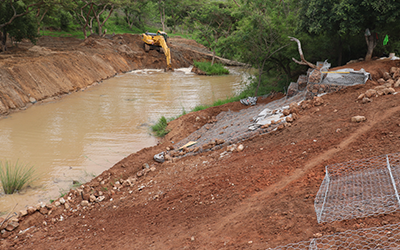
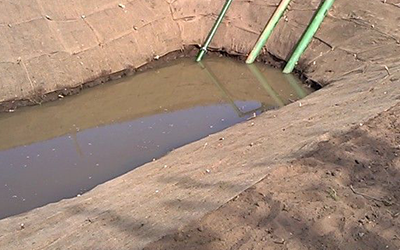
Geotextiles support erosion control by protecting soil and stabilising layers beneath stone.
Common uses include:
- Slopes
- Drainage Channels
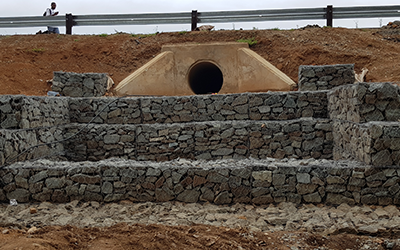
- Culvert Outlets
- Washaway Repairs
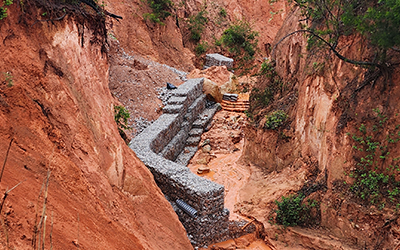
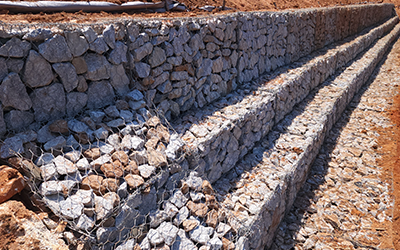
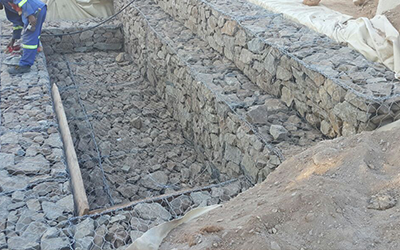
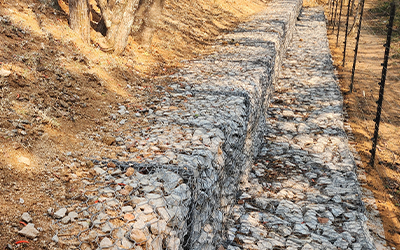
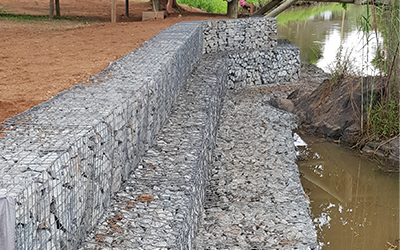
Geotextiles for Gabion Structures
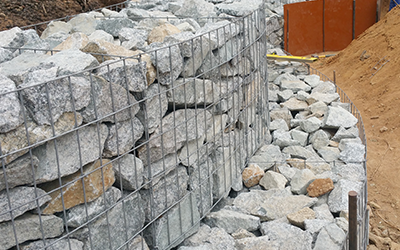
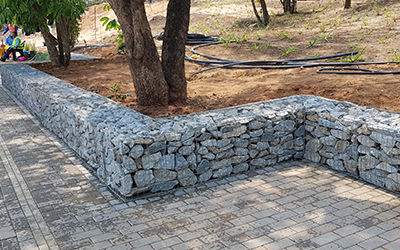
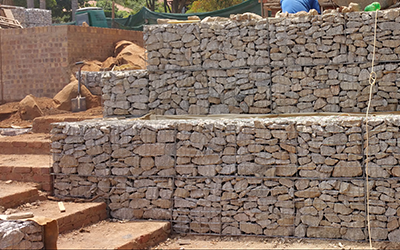
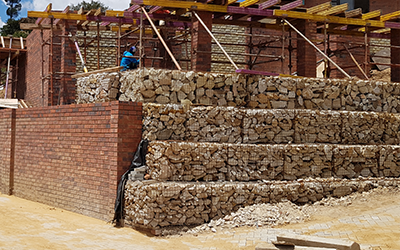
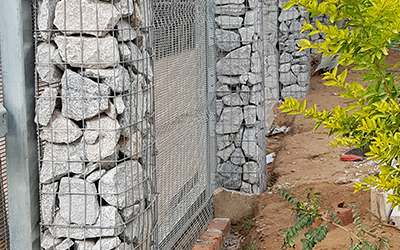
Geotextiles are often placed behind gabion walls to stop soil loss through the rock fill.
This helps:
- Prevent Settlement Behind The Wall
- Improve Wall Performance
- Reduce Maintenance Issues
Benefits of Using Geotextiles
Geotextiles offer long-term value across many applications.
Improved Drainage Performance
Geotextiles allow water through while filtering soil particles.
Longer Lifespan of Civil Structures
Retaining walls, roads, and embankments last longer when soil is stabilised.
Reduced Soil Washout and Erosion
They protect soil structure and prevent erosion damage.
Cost-Effective Ground Improvement
They reduce the need for excessive imported fill and repeated repairs.
Stronger Road and Base Layers
Geotextiles support separation and reinforcement under load.
How to Choose the Right Geotextile?
Choosing the correct geotextile depends on:
The Soil Type (Sand, Clay, Saturated, Loose Fill)
Water Flow Conditions And Erosion Risk
Your Main Goal (Drainage, Filtration, Reinforcement, Separation)
Installation Method And Project Lifespan
Expected Load (Light Traffic Vs Heavy Vehicle Loads)
A professional consultation can ensure you choose the correct grade and avoid long-term issues.
Common Mistakes When Buying Geotextiles?Avoid these common errors:
Buying the Wrong Type
Non-woven is typically best for filtration; woven is best for reinforcement.
Using Too Light a Grade
Thin geotextiles can tear during installation or fail under stone loads.
Incorrect Installation and Overlaps
Poor overlaps can allow soil to migrate and reduce effectiveness.
Leaving Geotextiles Exposed
Geotextiles should be covered soon after installation to prevent damage.
Why Choose Civil Structural & Eco-Engineering?
At Civil Structural & Eco-Engineering, we help clients select geotextiles that suit South African conditions and real project requirements.
We assist with:
- Geotextile Supply And Guidance
- Drainage And Filtration Support
- Soil Stabilisation Planning
- Erosion Control Solutions
- Gabion And Retaining Wall Integration
Geotextiles Are Essential for Stronger, More Stable Sites
If you’re looking for geotextiles in South Africa, choosing the right product is key to long-term success. Geotextiles improve drainage, stabilise soil, prevent erosion, and support structures like retaining walls and road bases.
For professional advice and reliable geotextile solutions, Civil Structural & Eco-Engineering is ready to assist.