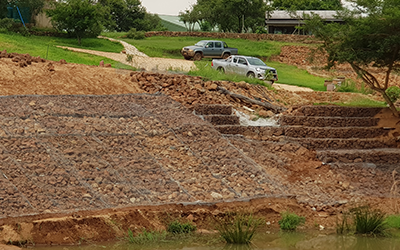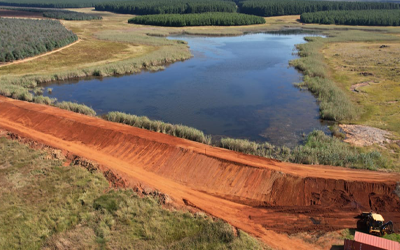
Engineered Gabion Retaining Walls Strong, Safe Retaining Solutions Built to Last
Gabion retaining walls are widely used across South Africa for slope stabilisation, erosion control, and retaining soil on uneven terrain. They’re durable, naturally draining, and cost-effective compared to many traditional retaining systems.
However, there is a big difference between a standard gabion wall and a properly engineered gabion retaining wall.
An engineered gabion wall is designed to handle real loads, site conditions, and water movement safely—reducing the risk of bulging, settlement, collapse, or future repair costs.
At Civil Structural & Eco-Engineering, we provide professional guidance and design support for engineered gabion retaining walls across South Africa, ensuring your wall performs reliably for years.
What Are Engineered Gabion Retaining Walls?
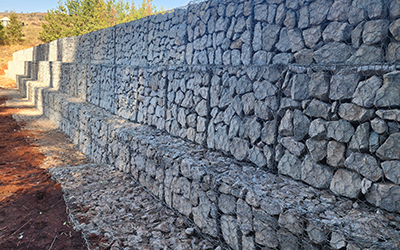
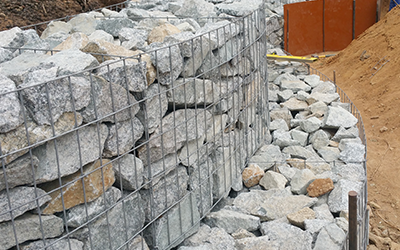
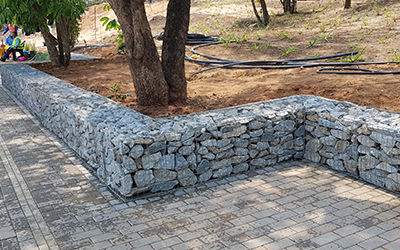
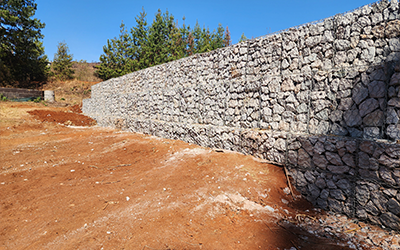
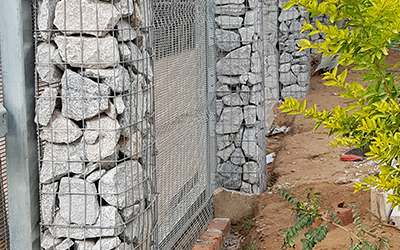
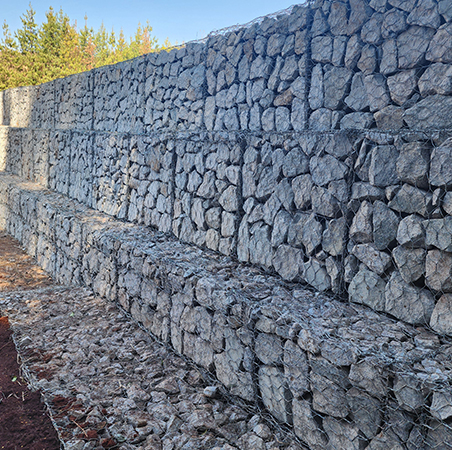
Engineered gabion retaining walls are gabion walls designed using civil engineering principles and site-specific planning. They are built from wire mesh baskets filled with rock, stacked in a layout that provides strength and stability.
Unlike “basic” gabion walls, engineered gabion retaining walls take into account:
Why Engineering Matters for Gabion Retaining Walls?
Gabion walls may look simple—but retaining structures must resist significant forces.
If a wall is not engineered correctly, it can fail due to:
Too much soil pressure
Poor basket bracing and deformation
Water buildup behind the wall
Undermining at the base from erosion
Weak foundations or unstable ground
Incorrect basket sizing or wall geometry
Engineered gabion walls reduce these risks and provide confidence that the structure is safe and stable.
Where Engineered Gabion Retaining Walls Are Most Commonly Used?
Engineered gabion walls are ideal for projects where safety, stability, and long-term performance are critical.
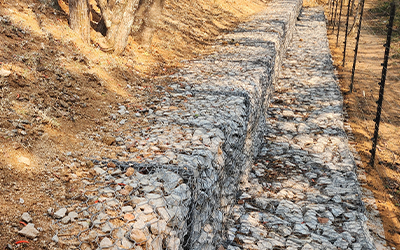
Retaining Walls for Steep or Sloped Properties
These walls help prevent soil movement and create usable level areas.
Common uses include:
- Residential stands on slopes
- Commercial developments on uneven terrain
- Estates and lodges
Retaining Walls for Erosion Control
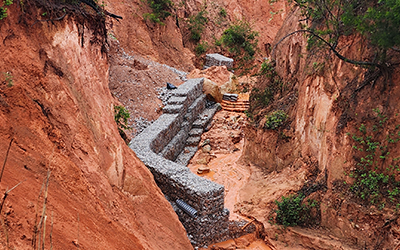
Gabion walls are frequently used to stabilise areas damaged by runoff and erosion.
Common uses include:
- washaways
- gulleys
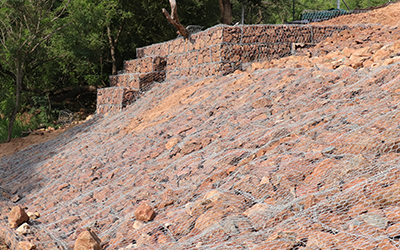
- embankment stabilisation
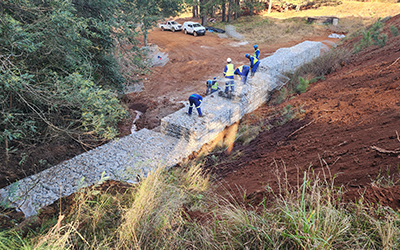
Retaining Walls for Driveways and Parking Areas
Driveways add extra load pressure and runoff, requiring stronger retaining solutions.
Engineered gabions are ideal for:
- driveway cut-ins
- parking platforms
- access roads
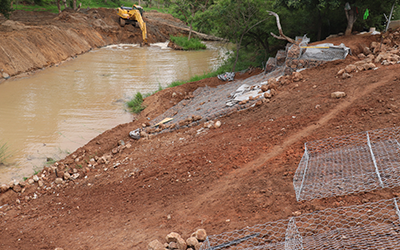
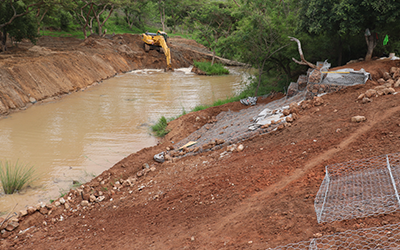
Retaining Walls Near Drainage Lines and Watercourses
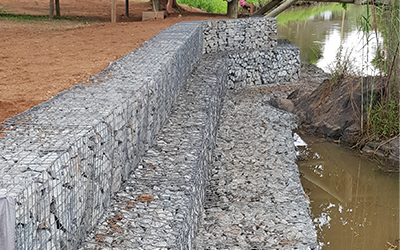
In these areas, engineering is essential to prevent undermining, scouring, and structural failure.
Common uses include:
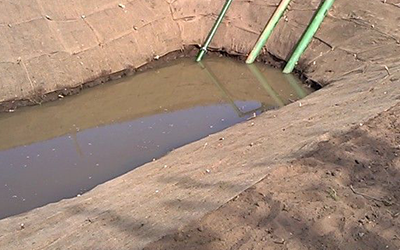
- stormwater channel reinforcement
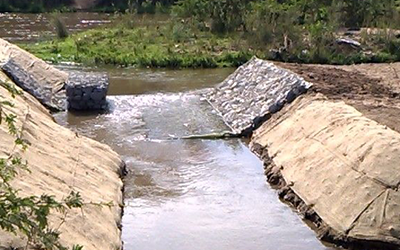
- riverbank protection structures
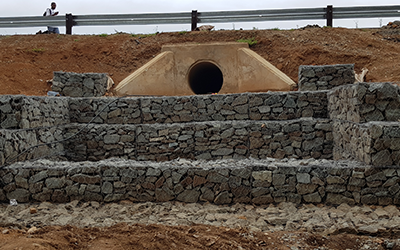
- outlet and culvert protection
Key Components of an Engineered Gabion Retaining Wall
A proper engineered gabion wall includes much more than stacked baskets.
Site Assessment and Planning
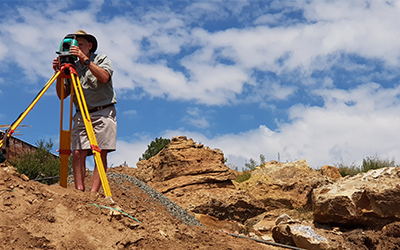
Engineering begins with understanding:
- Site Slope And Fall Direction
- Soil Stability And Bearing Capacity
- Water Movement And Runoff Patterns
- Erosion Risks And Scouring Zones
- Space Limitations And Access
This prevents incorrect designs based on assumptions.
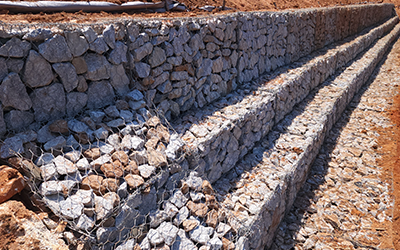
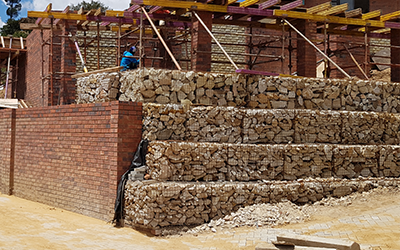
Correct Wall Geometry (Stepping, Batter, and Layout)
Engineered gabion retaining walls often include:
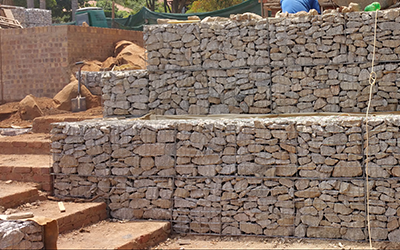
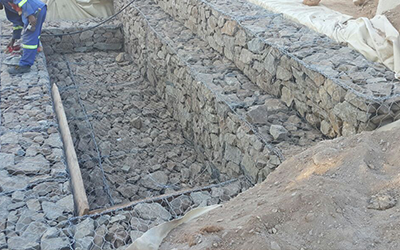
- Stepping Back For Higher Walls
- A Slight Batter Angle (Leaning Into The Slope)
- Wider Base Baskets For Stability
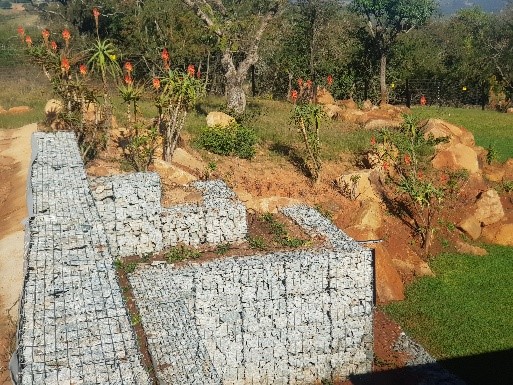
- Tiered Wall Layouts For Heavy Soil Loads
These design elements reduce pressure on the wall and improve long-term stability.


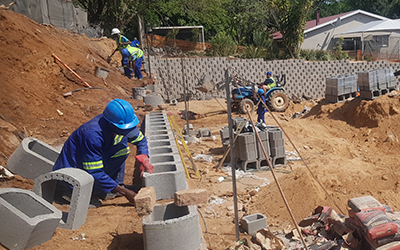
Foundation Preparation
The foundation is critical to prevent settlement and wall movement.
Engineering guidance typically considers:
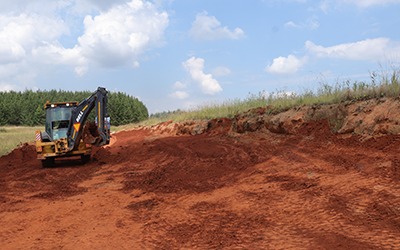
- Excavation Depth And Levelling
- Compacted Base Layers
- Erosion Protection At The Toe
- Suitability Of Founding Soil
Basket Specification and Corrosion Protection
The correct basket type depends on site exposure.
Options may include:
- Galvanized Gabion Baskets For General Conditions
- Pvc-Coated Gabion Baskets For Wet Or High Corrosion Areas
Engineering ensures the basket specification matches the environment.
Rock Fill Quality and Placement
The rock inside the baskets must be:
- Hard And Durable
- Correctly Sized For The Mesh
- Packed Properly To Reduce Voids
- Neat On The Face If Appearance Matters
Correct rock improves both strength and visual finish.
Benefits of Engineered Gabion Retaining Walls
Choosing an engineered design offers long-term advantages.
Improved Safety and Reliability
Engineered walls are designed to handle real loads and site conditions, reducing failure risk.
Cost-Effective Compared to Rebuilding
Engineering adds value by preventing expensive repairs and rework later.
Better Drainage and Reduced Pressure
Water pressure is controlled through drainage planning and correct wall design.
Strong Performance in South African Conditions
Heavy rainfall and runoff are common causes of erosion and slope failure in many regions—engineered gabions are well suited to these conditions.
Long Lifespan and Reduced Maintenance
Quality materials and correct installation lead to gabion walls that last decades.

Common Mistakes Engineering Helps PreventEngineering avoids the most common gabion wall issues, such as:
Walls built too steep or too high without stepping
Poor foundation preparation leading to settlement
Ignoring stormwater run-off patterns
No toe protection in erosion zones
Incorrect rock sizing causing instability
Weak basket bracing causing bulging
Why Choose Civil Structural & Eco-Engineering?
At Civil Structural & Eco-Engineering, we help clients achieve stable gabion retaining walls that are built for long-term success.
We assist with:
Engineered Gabion Retaining Walls Are the Smart Choice
Gabion retaining walls are a powerful retaining and erosion control solution—but the best results come from proper engineering. An engineered gabion retaining wall improves safety, stability, drainage performance, and lifespan, helping you protect your property and avoid costly failures.
If you need an engineered gabion retaining wall solution in South Africa, Civil Structural & Eco-Engineering is ready to assist with expert planning and guidance.