Non-Woven Geotextile SupplierWhat to Know Before You Buy (South Africa)
If you’re searching for a non-woven geotextile supplier, you’re likely working on a project that needs drainage, filtration, erosion control, or soil stabilisation. Non-woven geotextiles are one of the most widely used civil engineering materials because they are effective, affordable, and versatile.
But to get the best results, you need the correct product grade, correct roll size, and a supplier who understands the application.
At Civil Structural & Eco-Engineering, we assist clients across South Africa with sourcing and selecting non-woven geotextiles that perform reliably in real site conditions.
What Is a Non-Woven Geotextile?
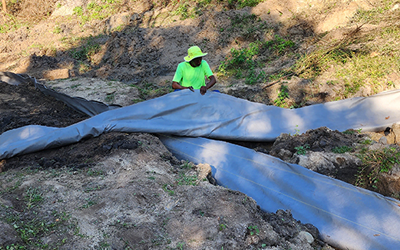
A non-woven geotextile is a geosynthetic fabric made from synthetic fibres (commonly polypropylene or polyester) that are bonded together to form a felt-like sheet.
Unlike woven geotextiles (which look like a woven bag pattern), non-woven geotextiles are more flexible and are typically used for:
What Is Non-Woven Geotextile Used For?
Non-woven geotextile is used in many civil, construction, and eco-engineering projects throughout South Africa.
Drainage and Filtration Systems
Non-woven geotextiles are ideal for drainage applications because they allow water to pass through while holding back fine soil particles.
Common uses include:
- French drains
- Subsoil drainage behind retaining walls
- Drainage trenches around buildings
- Stormwater filtration layers
Roadworks and Ground Protection
In some cases, non-woven geotextiles can support separation and ground protection—especially in areas where filtration and drainage are required.
Common uses include:
- Light access roads
- Temporary construction access
- Base layer separation on wet soils
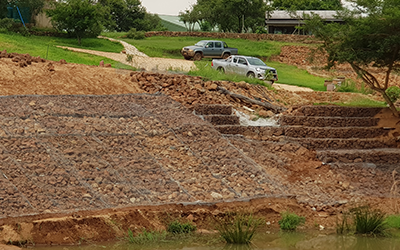
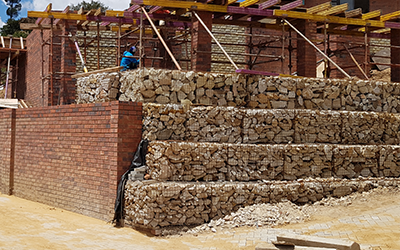
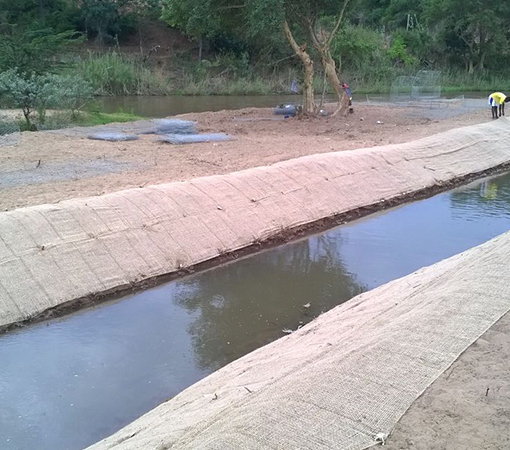
Gabion Walls and Erosion Control Systems
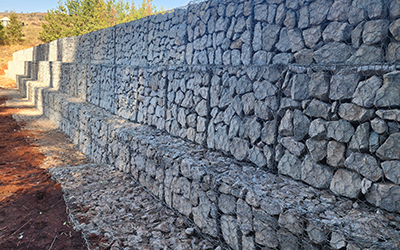
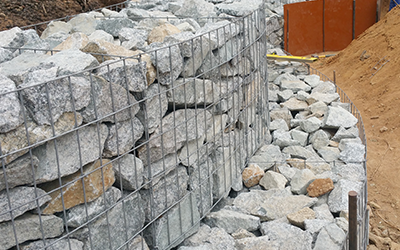
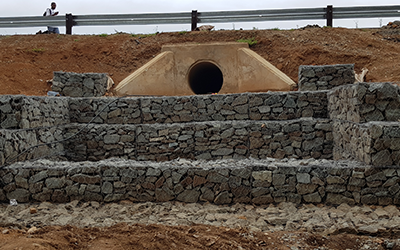
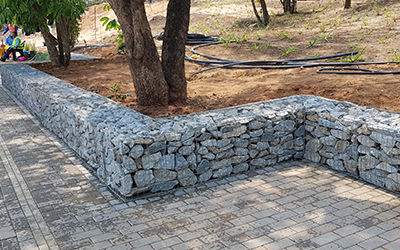
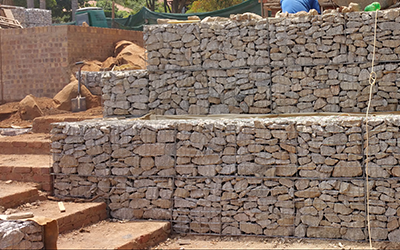
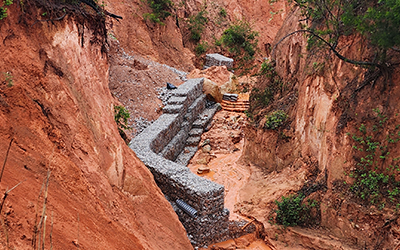
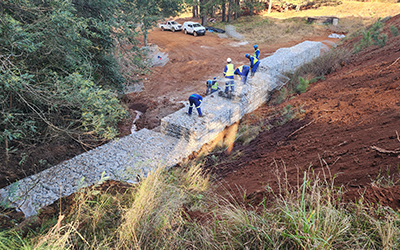
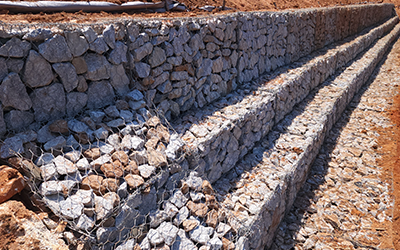
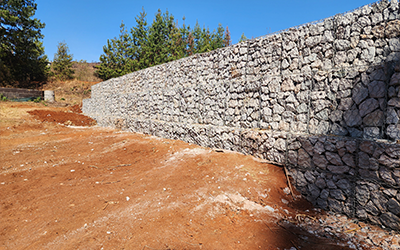
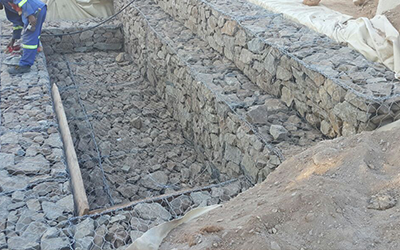
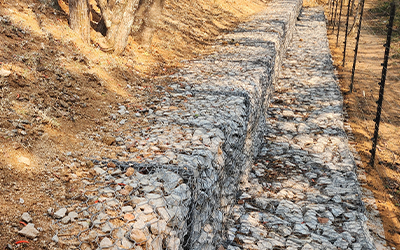
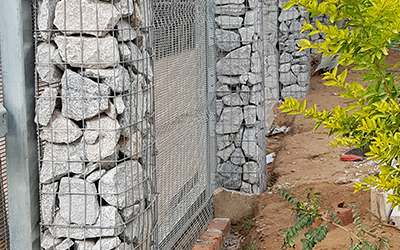
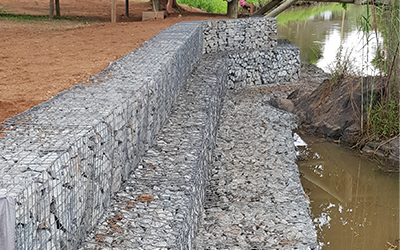
Non-woven geotextile is commonly placed behind gabion structures to stop soil from washing out through the rock.
Common uses include:
- Gabion retaining walls
- Reno mattress installations
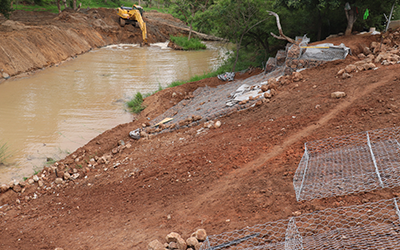
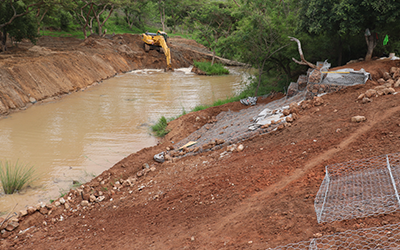
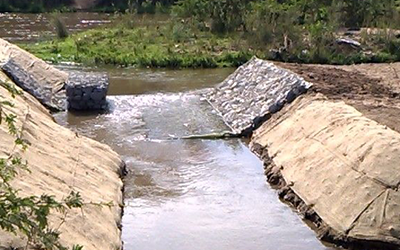
- Riverbank protection works
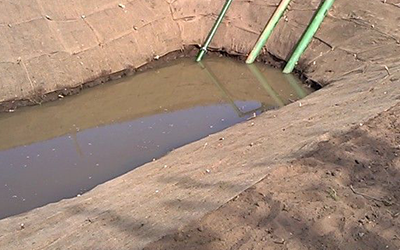
- Channel lining applications
Slope Protection and Soil Stabilisation Support
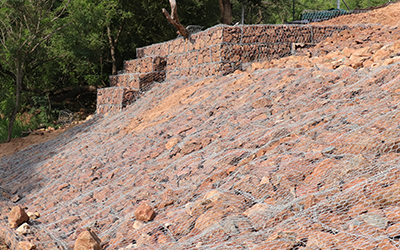
Non-woven geotextiles can work as part of slope erosion control systems, helping to stabilise soil and improve long-term performance when used with other measures.
Common uses include:
- Embankments
- Cut slopes
- Erosion-prone areas exposed to rainfall runoff
Why Choose a Quality Non-Woven Geotextile Supplier?
Not all geotextile products offer the same strength, thickness, or filtration performance.
A reliable non-woven geotextile supplier should provide:
- Consistent quality and correct specifications
- Suitable geotextile grades for your application
- Roll sizes that match your project needs
- Guidance on where and how to install it
- Fast delivery and reliable lead times
Using the wrong geotextile can cause:
- Blocked drainage systems
- Soil washout and settlement
- Reduced erosion control performance
- Unnecessary material wastage
- Poor long-term durability
How to Choose the Right Non-Woven GeotextileBefore buying, it helps to understand what matters most for performance.

Correct Weight / Grade (GSM)
Non-woven geotextiles are often specified by GSM (grams per square metre). Different projects require different grades.
Higher GSM generally means:
- thicker fabric
- higher strength
- more durability
Lower GSM is usually:
- lighter and more flexible
- suitable for simpler applications
A supplier should help you choose the right grade for your project conditions.
Filtration and Permeability Requirements
If the main goal is drainage, the geotextile must allow water through while stopping fine soil particles.
Strength and Puncture Resistance
For gabions or stone-filled systems, you need a fabric that can handle contact with rocks and compaction without tearing.
Roll Size and Coverage
Geotextile rolls are supplied in different widths and lengths. Choosing the right roll size helps reduce waste and overlaps.
What to Ask a Non-Woven Geotextile Supplier (Copy & Paste Message)
Here’s a quick message you can send to suppliers:
“Hi, I’m looking for non-woven geotextile for drainage / erosion control (please confirm best option).
Please quote on roll size, GSM options, price, and delivery to my area in South Africa.”
Common Mistakes When Buying Non-Woven Geotextile
Buying Too Light a Grade
If the fabric is too thin, it may tear during installation or fail under stone loads.
Leaving the Fabric Exposed Too Long
Geotextiles should be covered soon after installation to reduce UV exposure and damage.
Not Overlapping Properly
Poor overlaps can allow soil migration and
reduce performance.
Using the Wrong Product Type
Sometimes woven geotextile is better for reinforcement, while non-woven is better for filtration and drainage. Choosing incorrectly can reduce performance.
Why Choose Civil Structural & Eco-Engineering?
At Civil Structural & Eco-Engineering, we don’t just supply material—we assist clients in choosing the correct geotextile for the job.
We help with:
Whether your project is residential, commercial, agricultural, or civil engineering related, we help you choose a solution that performs long-term.

Buy the Right Non-Woven Geotextile for Long-Term Performance
Non-woven geotextiles play a critical role in drainage, filtration, erosion control, and soil stabilisation. Choosing a reliable non-woven geotextile supplier ensures you get the right grade, correct roll size, and a product that performs properly on site.
If you need non-woven geotextile in South Africa, Civil Structural & Eco-Engineering is ready to assist with supply and practical guidance.