Gabion BasketsThe Smart Solution for Retaining Walls, Erosion Control & Landscaping
Gabion baskets have become one of the most reliable and cost-effective engineering solutions for erosion control, slope stabilisation, and retaining walls. They’re strong, environmentally friendly, and blend naturally into the landscape—making them a popular choice for both civil engineering projects and private developments.
At Civil Structural & Eco-Engineering, we design and support solutions that are practical, durable, and suited to real site conditions. In this guide, we’ll explain what gabion baskets are, how they work, where they perform best, and why they are often the preferred alternative to conventional retaining structures.
What Are Gabion Baskets?
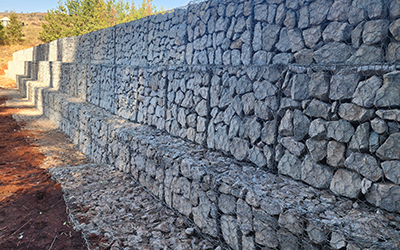
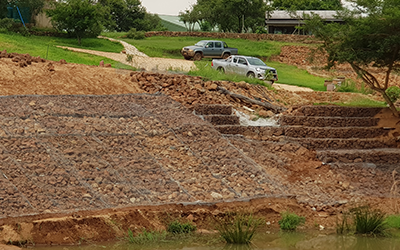
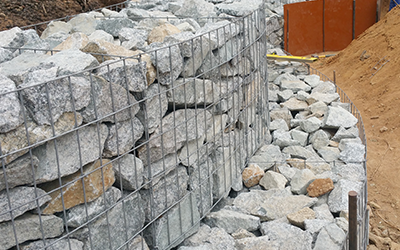
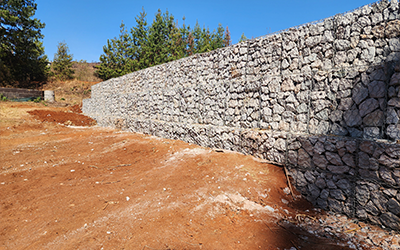
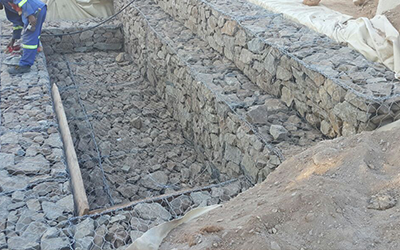
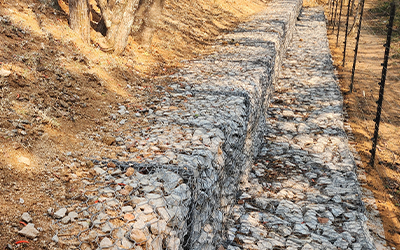
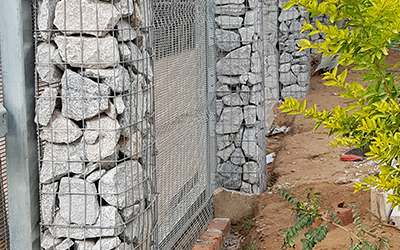
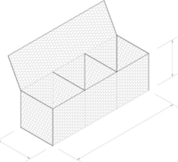
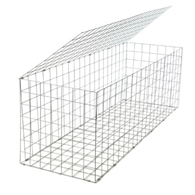
Gabion baskets are wire mesh cages filled with rock or stone and stacked to form stable structures. They can be used as retaining walls, erosion protection systems, and even architectural landscaping features.
The term “gabion” originates from the Italian word gabbione, meaning “big cage”—and that’s exactly what they are: engineered cages built to hold heavy rock material in a controlled, stable shape.
What Are Gabion Baskets Made Of?
Most gabion baskets are built from a high-strength mesh, commonly:
The baskets are typically filled with hard rock material such as dolerite, granite, or other durable stone that won’t break down quickly.
Why Gabion Baskets Work So Well in Engineering Projects?
Gabion baskets don’t rely on concrete strength alone. Their performance comes from a combination of weight, drainage, flexibility, and natural soil interaction.
Excellent Drainage and Reduced Water Pressure
One of the biggest advantages of gabion baskets is their natural drainage ability. The rock fill allows water to move through the structure instead of building up pressure behind it.
This helps prevent common retaining wall failures caused by hydrostatic pressure.
Flexible and Resistant to Ground Movement
Unlike rigid brick or concrete retaining walls, gabion structures can shift slightly with ground settlement without cracking or collapsing. This makes them ideal for areas with:
- Unstable soil conditions
- Seasonal movement (wet/dry cycles)
- Minor slope instability
Strong, Heavy, and Durable
A correctly designed gabion wall provides excellent resistance against forces such as:
- Soil pressure
- Surface runoff
- Floodwater and scouring
- Slope movement
Common Uses of Gabion Baskets
Gabion baskets are incredibly versatile and are used across residential, commercial, and large-scale civil projects.
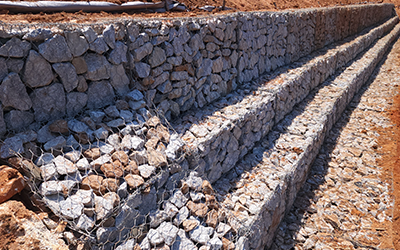
Gabion Retaining Walls
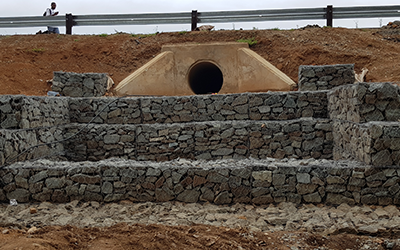
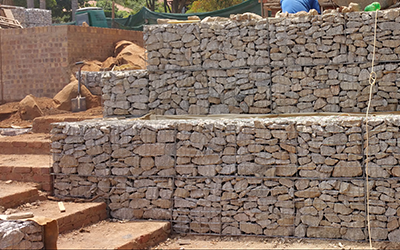
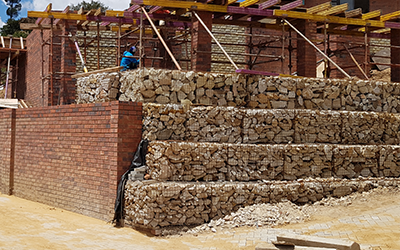
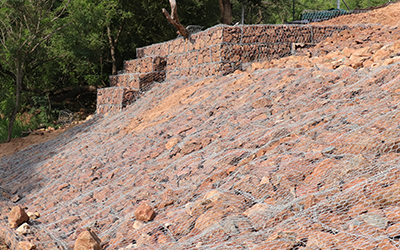
Gabion retaining walls are widely used to support soil and prevent slope failure, especially in areas with height differences or embankments.
They’re commonly installed for:
- Road cuttings and embankments
- Parking areas and commercial sites
- Residential sloped yards
- Boundary retaining structures
Landscaping and Architectural Features
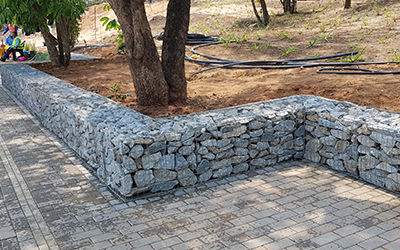
Gabion baskets are also used for modern landscaping designs due to their natural finish and strong shape.
Popular examples include:
- Garden retaining walls
- Decorative boundary walls
- Seating structures and planters
- Entrance features for estates or lodges
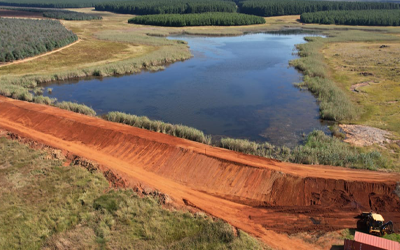
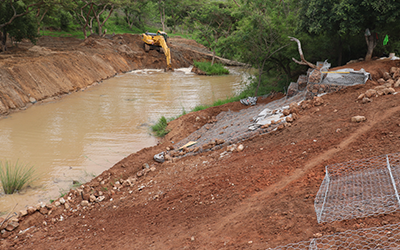
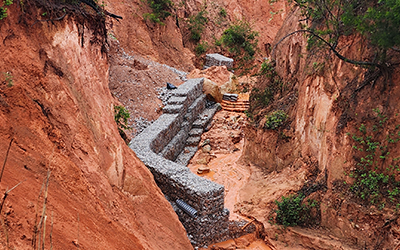
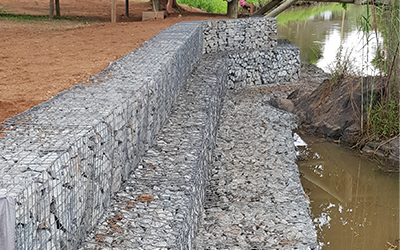
Erosion Control and Riverbank Protection
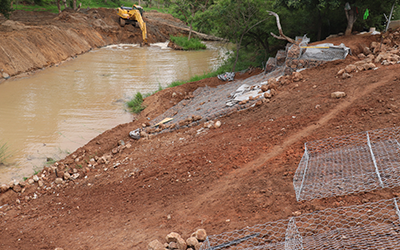
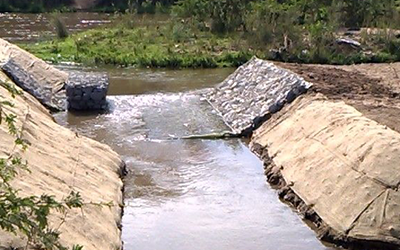
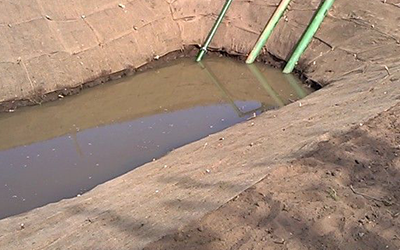
Gabions are widely used in eco-engineering because they support erosion control without “blocking” nature. They protect surfaces while allowing water movement and vegetation growth.
Typical applications include:
- Riverbanks and streambeds
- Drainage channels
- Stormwater outlets
- Areas exposed to heavy runoff
Slope Stabilisation
Gabion baskets can be used to stabilise slopes where soil movement, runoff, or poor drainage is a risk.
They work especially well when combined with:
- Subsurface drainage systems
- Geotextiles
- Vegetation reinforcement
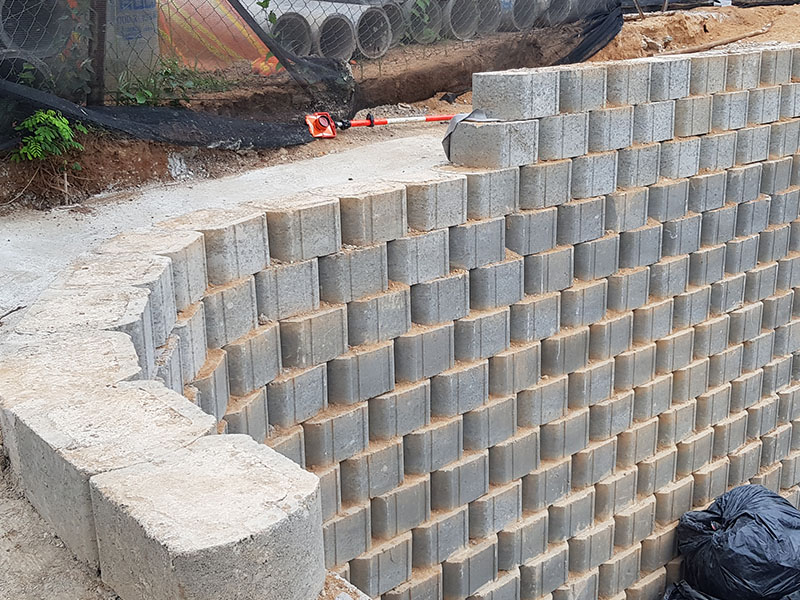
Gabion Baskets vs Concrete Retaining Walls
Many property owners and engineers ask whether gabions are better than concrete walls.
The answer depends on the site conditions, load requirements, and budget—but gabions offer several unique advantages.

Key Benefits of Gabion Walls
Gabion baskets are often chosen because they are:
- Cost-effective on many projects
- Quick to install compared to reinforced concrete
- Low maintenance when built correctly
- Naturally draining (reduced failure risk)
- Eco-friendly and blends into natural surroundings
- Flexible and less likely to crack
When Concrete May Be More Suitable
Concrete structures may be more suitable where:
- Very limited space requires thin walls
- A smooth finished surface is required
- Extremely high retaining loads demand rigid reinforcement
In many cases, gabions can still be integrated into the solution as part of a combined retaining design.
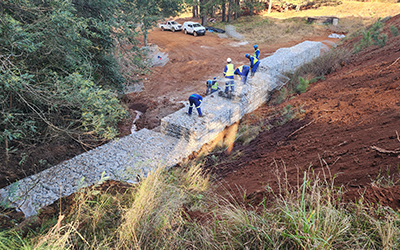
How Gabion Basket Installation Works?
Although gabion baskets can look simple, professional installation is essential to ensure long-term stability and safety.
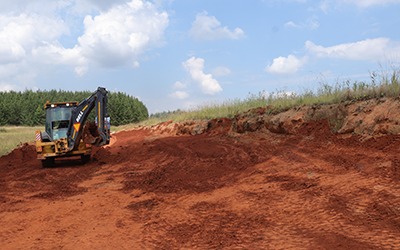
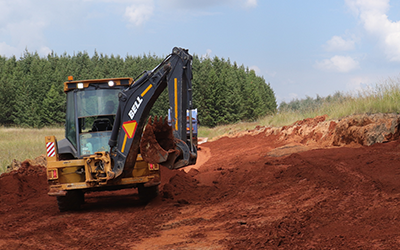
Step 1: Site Preparation and Groundworks
Before installation, the site should be prepared by:
- Removing loose soil and vegetation
- Creating a stable foundation layer
- Ensuring proper drainage planning
Step 3: Rock Fill Placement
Rock fill is carefully placed into the baskets, with attention to:
- Rock size suitability
- Strong packing and minimal voids
- Neat face rock placement for appearance
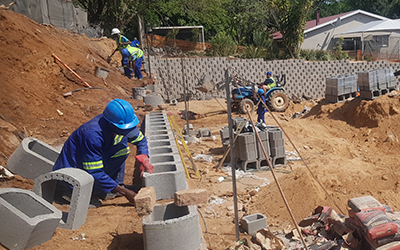
Step 2: Basket Assembly and Placement
placed and aligned according to design levels and layout.
Important considerations include:
- Correct basket tying and bracing
- Proper alignment and base setting
- Ensuring interlocking between baskets
Step 4: Lid Closure and Structural Connection
Once filled, the gabion lids are secured tightly and baskets are tied together to form a stable integrated structure.
Choosing the Right Rock for Gabion Baskets
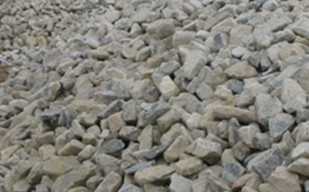
Not all stone is suitable for gabion structures. The rock must be durable, angular enough to interlock, and resistant to weathering.
Recommended Rock Characteristics
The best rock fill typically:
Poor rock selection can shorten the lifespan of the structure and cause settlement or deformation.
How Long Do Gabion Baskets Last?
A properly designed and installed gabion structure can last many decades, especially when the right materials are chosen for the environment.
Factors That Affect Gabion Lifespan
The lifespan depends on:
- Wire coating type (galvanised vs PVC coated)
- Exposure to corrosive environments
- Water flow intensity and scouring risk
- Quality of installation and rock fill
- Ongoing drainage performance
For coastal or highly corrosive areas, PVC coating is often recommended for extra protection.
Engineering Considerations for Safe Gabion Basket Design
Gabion baskets should never be “guesswork.” Even small walls can fail if loading, drainage, or foundation conditions are misunderstood.
Load and Height Requirements
As the height of a gabion retaining wall increases, design must consider:
- Soil type and pressure
- Surcharge loads (vehicles, structures, nearby foundations)
- Wall batter and stepped configuration
- Foundation bearing capacity
Drainage and Water Management
Even though gabions drain well, drainage planning still matters. Poor stormwater control can lead to:
- Undermining
- Scour damage
- Wall movement over time
Suitable Foundation Design
For long-term stability, gabion walls often require:
- Compacted base preparation
- A level founding platform
- Protection against erosion at the toe
Why Gabion Baskets Are Ideal for Eco-Engineering Solutions?
Gabion baskets are widely used in eco-engineering because they support both structural performance and environmental integration.
They:
Reduce the need for concrete-heavy construction
Allow natural drainage and groundwater movement
Encourage vegetation growth between rocks
Blend visually into natural landscapes
In many areas, gabions offer a balance between engineering stability and environmentally sensitive development.

When You Should Use a Professional Gabion Design
If your gabion project involves any of the following, it’s strongly recommended to work with experienced professionals:
- Retaining walls above “basic” landscaping height
- Sites with poor soil conditions
- Water runoff issues or river proximity
- Slopes with signs of erosion or movement
- Structural support near buildings, roads, or driveways
Proper design improves safety, lifespan, and cost efficiency long-term.
Gabion Baskets Are a Reliable, Long-Term Solution
Gabion baskets remain one of the most effective solutions for retaining walls, erosion control, slope protection, and landscaping, especially where drainage and flexibility are critical.
Whether you need a functional retaining structure, a durable erosion control system, or an eco-friendly solution that blends naturally into its surroundings, gabion baskets deliver outstanding value when designed and installed correctly.
If you’re planning a project and need guidance on the right approach, Civil Structural & Eco-Engineering can assist with professional design support and practical solutions that suit your site conditions.