Dam Sealing ProductsThe Best Solutions for Stopping Water Loss in South Africa
A leaking dam is more than just an inconvenience — it can lead to major water loss, unstable ground conditions, and costly long-term damage. Whether you manage a farm dam, irrigation dam, reservoir, or earth embankment dam, seepage and leakage can affect water supply, livestock access, crop irrigation, and overall site safety.
That’s why finding the right dam sealing products is essential for long-term water retention and structural stability.
At Civil Structural & Eco-Engineering, we assist clients across South Africa with practical solutions for dam seepage and erosion-related challenges. In this guide, we’ll explain the most common dam sealing products available, how they work, when to use them, and what to check before applying any product on your dam.

What Causes a Dam to Leak?
Before choosing a sealing product, it’s important to understand why the dam is losing water. Different causes require different solutions.
Common Causes of Dam Seepage and Water Loss
Dam leakage often happens due to:
Some water loss is also normal due to evaporation — especially in warm areas — but continuous drops in water level usually indicate seepage.
When You Need Dam Sealing Products?
(And When You Need Structural Repairs)
Not every leak can be fixed with sealing products alone. Knowing the difference can save time and money.
Dam Sealing Products Work Best When:
- Seepage is spread across the basin floor
- Water loss is gradual and consistent
- The dam soil is too porous to hold water effectively
- You want to improve water retention long-term
You May Need Engineering Repairs When:
- Water exits below the dam wall in one specific point
- There is a wet patch forming outside the embankment
- The wall is slumping or cracking
- Seepage suddenly increases
- You suspect piping or internal erosion
Important
If a dam wall is structurally compromised, applying sealing products without repairing the core issue can increase failure risk.
Types of Dam Sealing Products Used in South Africa
There is no “one-size-fits-all” solution. The best product depends on soil type, leak severity, dam size, and budget.
Bentonite Clay for Dam Sealing
Bentonite is one of the most widely used dam sealing products for earth dams, especially where seepage is caused by porous soil.
Best Uses for Bentonite Dam Sealing
Bentonite works best for:
- New earth dam construction
- Dams with sandy or mixed soils
- General seepage through basin floors
- Sealing small cracks and pores in soil
Limitations of Bentonite
- Not ideal for rocky basins
- Less effective for large holes or active piping
- Requires correct application and compaction
What Is Bentonite?
Bentonite is a natural clay that expands when wet. Once it swells, it fills voids and reduces water movement through the soil.
Pros of Bentonite Dam Sealing
- Cost-effective for large areas
- Long-term sealing when installed properly
- Natural product suitable for many environments
Polymer Dam Sealing Products
Polymer dam sealers are designed to bind soil particles together, helping reduce permeability and water loss.
When Polymer Sealers Are a Good Choice
They are often used when:
- You need a faster sealing method
- The dam is not suitable for liners
- You want a targeted solution for light-to-moderate seepage
- The soil is sandy and struggles to seal naturally
Limitations of Polymer Sealers
-
Performance depends heavily on soil type
-
Not a solution for wall failure or piping
-
Must be applied correctly to avoid wasted product
Pros of Polymer Dam Sealers
- Fast application
- Useful for certain soil types
- Can be effective for smaller seepage issues

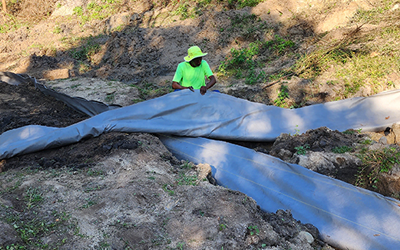
Dam Liners (HDPE / Geomembrane Liners)
When seepage is severe, or the basin soil is too permeable to seal effectively, a dam liner is often the most reliable long-term option.
What Is a Dam Liner?
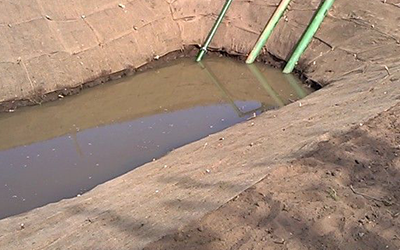
A dam liner is a waterproof membrane installed across the dam basin to create a physical barrier that prevents water from escaping.
When to Use Dam Liners?
Dam liners are ideal for:
- Very sandy or rocky dam basins
- Dams that lose water quickly
- High-value irrigation or storage dams
- Sites needing maximum water retention
Pros of HDPE Dam Liners
- Highly effective water retention
- Long lifespan when installed correctly
- Works in soil conditions where clay or polymers fail
Important Considerations
To avoid punctures and damage, liners should be installed with a protective layer, often using geotextiles.
Geotextiles for Dam Sealing Support and Protection
Geotextiles are not “sealing products” on their own, but they are critical components of a proper dam sealing system — especially with liners.
How Geotextiles Help With Dam Sealing?
Geotextiles are used to:
- Protect liners from punctures
- Separate soil from stone layers
- Support filtration and drainage control
- Improve long-term durability of lining systems
Best Uses of Geotextiles in Dam Projects
- Underliner protection
- Overliner protection
- Reinforcement where ground movement is expected
Using geotextiles can significantly improve the performance and lifespan of dam sealing installations.
Compacted Clay Layers (Traditional Dam Sealing Method)
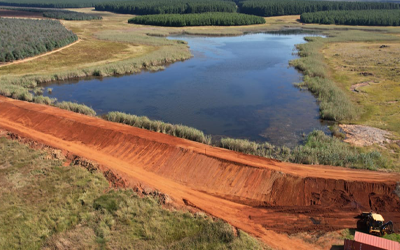
A compacted clay blanket is a proven method for dam sealing, especially in new dam construction or full refurbishments.
How Clay Blanket Sealing Works?
A layer of suitable clay-rich soil is placed and compacted across the dam basin to reduce water seepage.
Pros of Clay Sealing
- Effective when installed correctly
- Natural method
- Excellent for large-scale projects
Limitations of Clay Sealing
- Requires equipment and correct compaction
- Not a quick fix
- May not work well with rocky basins
Best Uses for Compacted Clay Sealing
This method is ideal when:
- Suitable clay is available nearby
- The dam is being rebuilt or reshaped
- You want a natural, long-term sealing solution
Targeted Repair Products and Surface Reinforcement
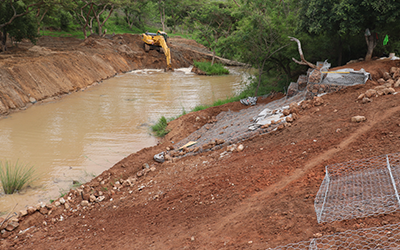
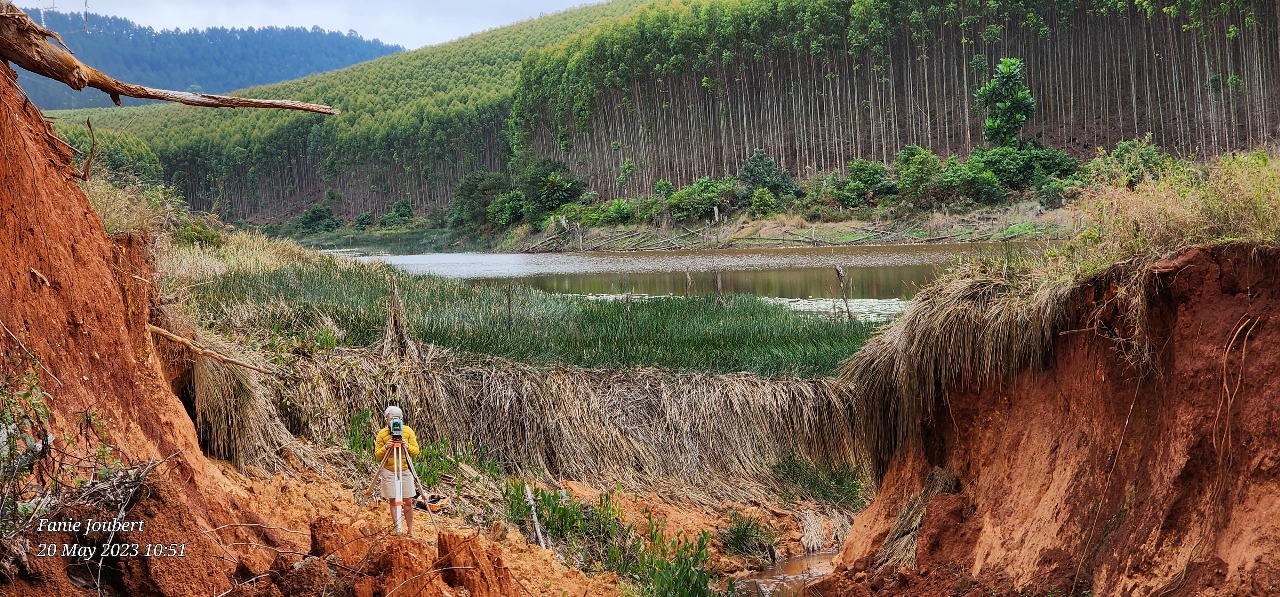
Sometimes the “leak” is actually a damaged area caused by erosion, runoff, or overflow.
In these cases, sealing may require structural repair and protection rather than only sealing products.
Typical Solutions Include
- Rock protection
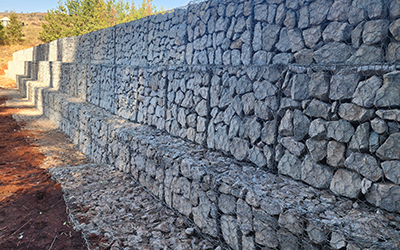
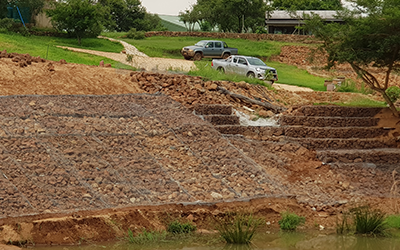
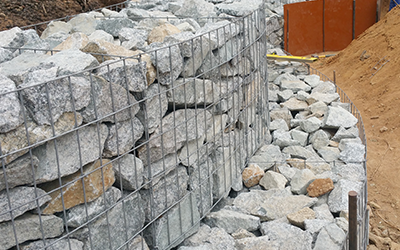
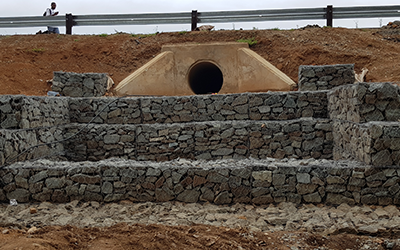
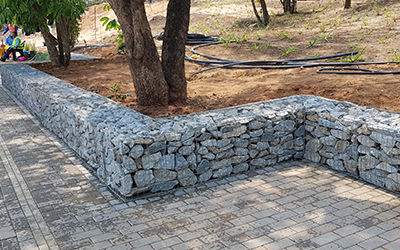
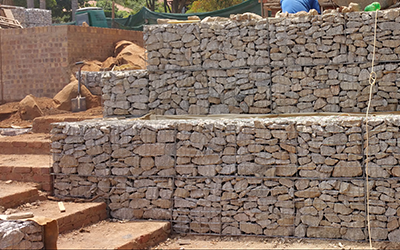
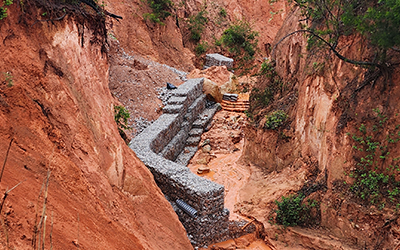
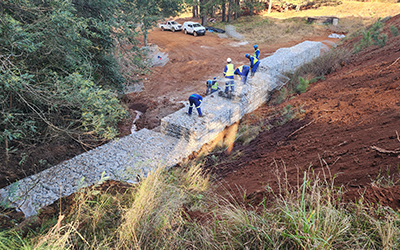
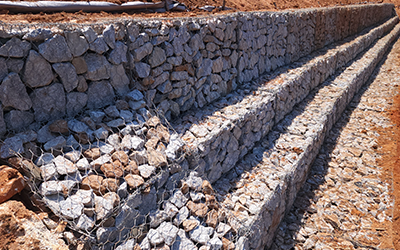
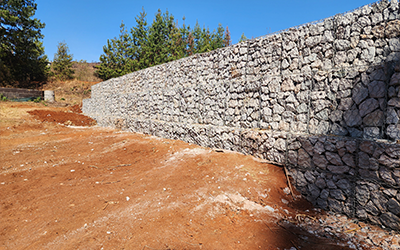
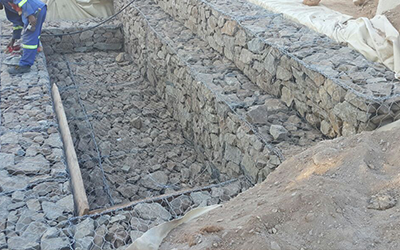
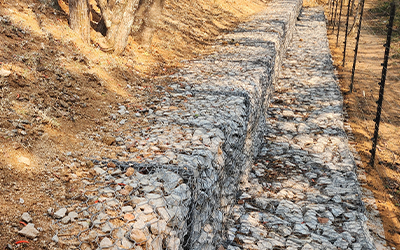
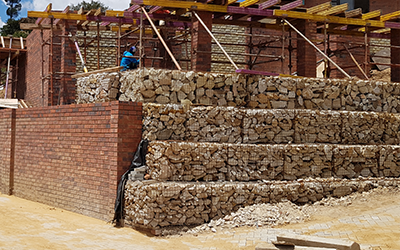
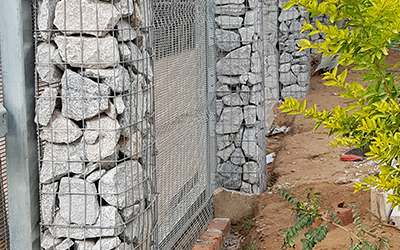
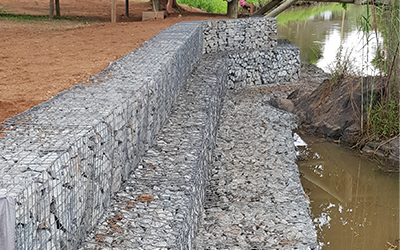
- Gabion structures for erosion control
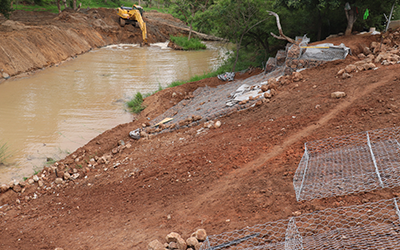
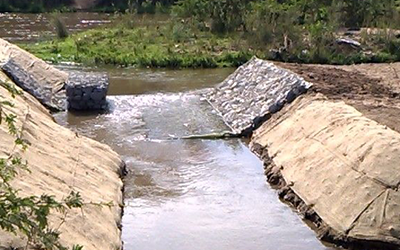
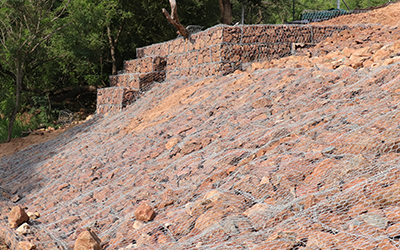
- Reno mattresses in flow zones
- Concrete lining in specific high-stress areas
Common Areas That Need Repair
- Spillways
- Inlet/outlet zones
- Overflow edges
- Eroded dam wall slopes
These repairs prevent repeated erosion and structural weakening.
How to Choose the Right Dam Sealing Product?
Choosing the correct dam sealing solution depends on a few key site factors.
Soil Type and Dam Basin Conditions
- Sandy soil often leaks quickly
- Clay soil holds water better
- Rocky basins usually need liners
Leak Severity
- Light seepage may be improved with bentonite or polymers
- Severe water loss may require liners or reconstruction
Location of Water Loss
- Basin seepage is usually treatable with sealing
- Wall leaks or piping require professional assessment
Dam Size and Budget
Large dams often require cost-effective solutions, while smaller dams may justify liners for maximum sealing.
Dam Sealing in South AfricaPractical Compliance Considerations
In South Africa, dams and water-related works may involve environmental or water-use considerations depending on:
If a project involves major earthworks, river diversions, or sensitive environments, it’s best to confirm the correct requirements early to avoid delays and risk.
Note: Requirements vary by site and scope. Always ensure your dam work is planned responsibly and safely.

Why Choose Civil Structural & Eco-Engineering?
At Civil Structural & Eco-Engineering, we provide practical assistance for dam-related water retention and erosion control projects across South Africa.
We can help you with:
- identifying the cause of seepage and dam water loss
- recommending the most suitable dam sealing products
- advising on dam liner protection solutions (including geotextiles)
- erosion control for spillways and dam wall protection
- long-term durability planning for high-risk sites
The Right Dam Sealing Product Saves Water and Protects Your Investment
Dam leakage can waste thousands of litres of water and weaken your site over time. The best solution depends on what’s causing the water loss — whether it’s porous soil seepage, structural leakage, or erosion damage.
With the right dam sealing products, you can restore water retention, reduce maintenance costs, and protect your property long-term.
If you need guidance on dam seepage solutions in South Africa, Civil Structural & Eco-Engineering is ready to assist with practical recommendations and reliable project support.