Off-Grid Wastewater Treatment SystemsReliable Solutions for Remote Sites in South Africa
If your property is not connected to a municipal sewer line, you still need a safe, legal, and environmentally responsible way to manage wastewater. This is especially common in South Africa for farms, lodges, rural homes, estates, construction sites, and remote developments.
That’s where off-grid wastewater treatment systems are essential.
A well-designed system protects your land, groundwater, and nearby watercourses—while keeping your site compliant and functional long-term.
At Civil Structural & Eco-Engineering, we provide guidance and support for off-grid wastewater solutions that suit South African site conditions, including soil type, slope, water sensitivity, and practical infrastructure needs.
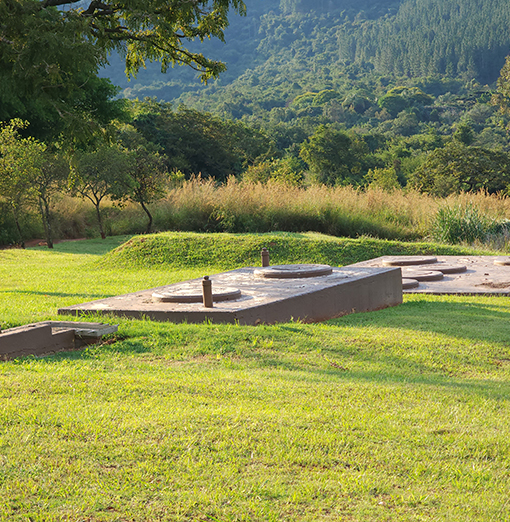
What Are Off-Grid Wastewater Treatment Systems?
Off-grid wastewater treatment systems are systems used to collect, treat, and safely dispose of sewage and greywater when there is no municipal sewer connection.
These systems are designed to:
Off-grid wastewater systems typically serve:
Why Off-Grid Wastewater Treatment Matters in South Africa?
Untreated wastewater can cause serious problems such as:
Groundwater Contamination
(Borehole Risk)
Health Hazards For
People And Animals
Pollution Of Streams
And Wetlands
Damage To The Environment And Surrounding Ecosystems
Bad Odours And
Unsafe Conditions
A properly selected system protects both your property and the broader environment.
Types of Off-Grid Wastewater Treatment Systems
There are several off-grid treatment options, and the correct choice depends on site conditions, water use, and discharge requirements.
Septic Tank Systems
(Traditional Option)
Septic systems are common and work well when designed correctly.
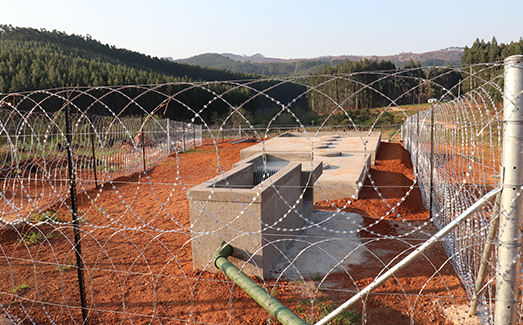
How a Septic Tank Works?
A septic system generally includes:
- A Septic Tank (Solid Separation + Partial Digestion)
- An Effluent Disposal System (Soakaway / Leach Field)
When Septic Systems Are Suitable?
Best for:
- Homes And Small Rural Sites
- Areas With Good Soil Absorption
- Moderate Daily Wastewater Volumes
Septic systems may struggle when:
- Soil Is Clay-Heavy And Poorly Draining
- Groundwater Is Shallow
- Space Is Limited
- Wastewater Volumes Are High
Package Wastewater Treatment Plants (Advanced Option)Package plants treat sewage more thoroughly than septic tanks and are ideal where higher performance is needed.
What a Package Plant Does?
A package system treats wastewater using mechanical and biological processes and can produce cleaner effluent.
These systems often require:
- Electrical Power (Or Solar/Inverter Options)
- Regular Monitoring And Maintenance
Best for:
- Lodges And Resorts
- Estate Developments
- Staff Villages
- Sites With Higher Wastewater Loads
- Environmentally Sensitive Areas (Site Dependent)
French Drains / Soakaway Systems (Effluent Disposal Support)
These are not treatment plants on their own, but they form part of the effluent disposal solution for septic and certain treatment systems.
Best for:
The soil must be suitable, otherwise the system can fail.

Constructed Wetlands (Eco-Friendly Treatment Option)Constructed wetlands are designed systems that use natural processes to treat wastewater through vegetation and filtration layers.
Best for:
- Eco Lodges And Nature Properties
- Sites Focused On Sustainability
- Areas With Enough Space For The Wetland Footprint
These systems still require correct design and maintenance and must be suited to the site conditions.
Greywater Systems (For Reuse and Water Saving)Greywater is wastewater from baths, showers, basins, and laundry (not toilets).
Greywater systems can reduce water use by:
Redirecting Greywater To
Irrigation Areas
Filtering And Distributing
Water Safely
Greywater must still be managed responsibly to avoid smell, contamination, and surface runoff issues.

Greywater must still be managed responsibly to avoid smell, contamination, and surface runoff issues.
The best system depends on several real-world factors.
Daily Wastewater Volume
A household system differs from a lodge or worker camp.
Your system must match:
- Number Of People
- Daily Water Use
- Peak Season Demand
Soil Conditions and Drainage Ability
Soil plays a major role in off-grid wastewater success.
Some soils absorb well (good for soakaways), while others hold water and fail.
Site Slope and Space Availability
Steep sites may need:
- pumping solutions
- staged treatment
- stabilised disposal areas
Small sites may require compact systems like package plants.
Groundwater and Borehole Safety
Where boreholes are used, wastewater systems must be located and designed to protect groundwater from contamination.
Proximity to Rivers, Wetlands, or Drainage Lines
Sites near sensitive areas often require stronger control to avoid pollution and environmental risk.
Maintenance RequirementsAll off-grid systems require some maintenance.Common needs include:
Sludge Removal
Filter Cleaning
Inspection Of Pumps (If Used)
Regular System Checks
Common Problems With Off-Grid Wastewater Systems (And How to Avoid Them)
Overloading the System
Too many users on an undersized tank causes failures quickly.
Poor Soil Percolation
If soil is too clay-rich, soakaways can flood and create odours.
No Regular Maintenance
Ignoring sludge buildup and filters reduces system performance.
Incorrect Installation Location
Bad placement can lead to contamination risk or surface pooling.
Proper site planning prevents these issues.
Compliance Considerations in South Africa (Important)
In South Africa, wastewater treatment and effluent disposal may involve municipal requirements and environmental considerations depending on:
- The System Type And Discharge Method
- The Scale Of The Development
- Proximity To Watercourses And Wetlands
- Local Authority Bylaws And Approvals
It’s always best to confirm requirements early to avoid delays and ensure the project is handled responsibly.
Note: Compliance requirements vary by municipality and site conditions, so professional guidance is recommended.
Why Choose Civil Structural & Eco-Engineering?At Civil Structural & Eco-Engineering, we help clients plan practical off-grid wastewater solutions that suit real South African sites.
We assist with:
Site Consultation And Assessment Support
Drainage And Soil Considerations
Practical Long-Term Solutions For Remote Properties
Guidance On System Selection
Eco-Engineering Support For Sensitive Environments
Off-Grid Wastewater Treatment Done Right Protects Your Property and the Environment
Off-grid wastewater systems are essential for rural and remote properties in South Africa. Whether you need a septic tank setup, a package treatment plant, or a more eco-friendly approach, the key is choosing a solution that matches your site conditions and wastewater needs.
With the right planning, you can protect your land, prevent pollution, and keep your site operating safely long-term.
If you need assistance choosing an off-grid wastewater treatment system, Civil Structural & Eco-Engineering is ready to help.