Environmental Compliance for Gabion Structures What You Need to Know Before You Build
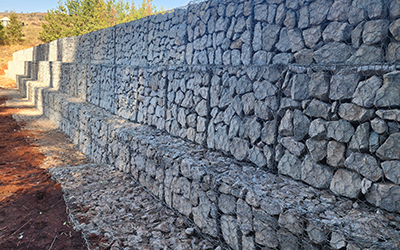
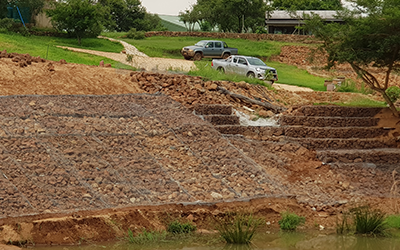
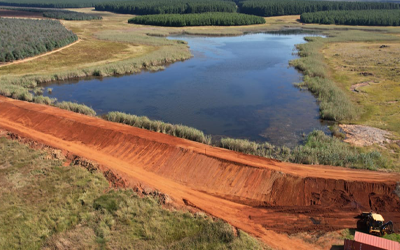
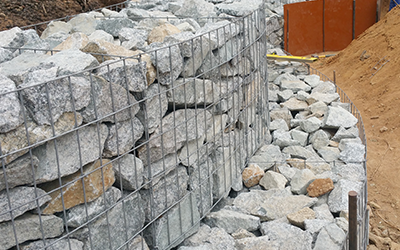
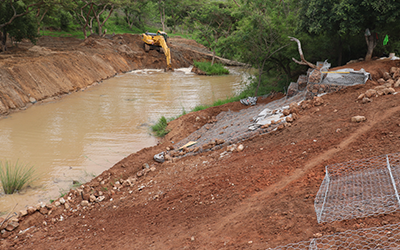
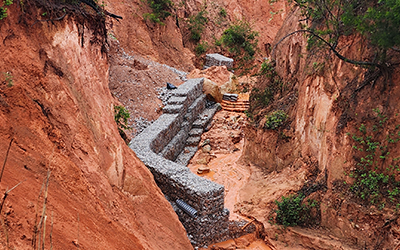
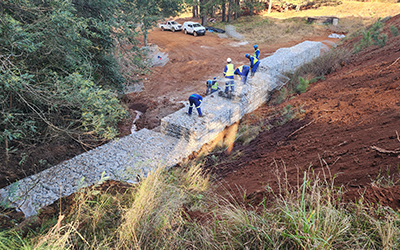
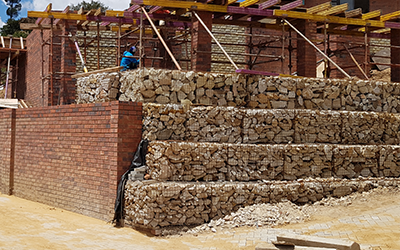
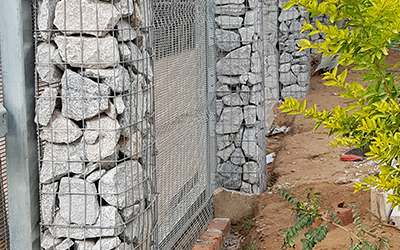
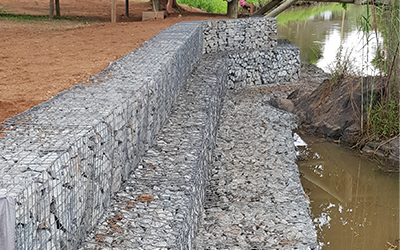
Gabion structures are widely used for erosion control, riverbank protection, slope stabilisation, and retaining walls—especially in areas exposed to heavy rainfall and runoff. While gabions are often considered an eco-friendly solution, gabion works can still have a significant impact on drainage lines, wetlands, rivers, and surrounding ecosystems.
That’s why environmental compliance for gabion structures is a critical step before construction begins—particularly when gabions are installed near watercourses or in sensitive natural areas.
At Civil Structural & Eco-Engineering, we assist clients with practical gabion design and site guidance while ensuring the project approach supports responsible development and compliance best practice.
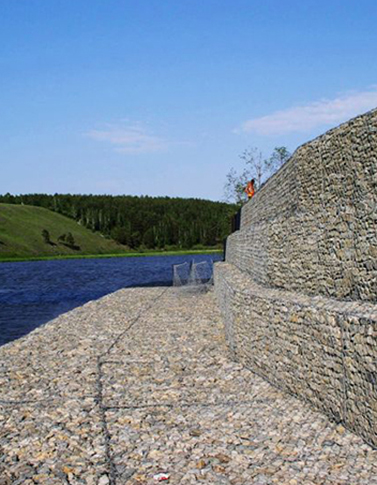
Why Environmental Compliance Matters for Gabion Projects?
Gabions may be made of natural rock and allow water to drain through, but they still alter the environment in important ways.
A gabion wall or riverbank lining can:
Environmental compliance helps you avoid:
When Gabion Structures Require Environmental Consideration?
Some gabion projects have minimal environmental risk, while others are considered sensitive due to their location and impact.
High-Risk Areas for Gabion Installations
Environmental checks are especially important when gabion structures are planned near:
- Rivers, streams, and drainage lines
- Wetlands or waterlogged areas
- Floodplains
- Dam edges or spillways
- Stormwater outlets into natural systems
- Protected areas or conservation zones
Common Examples Where Compliance Is Often Needed
You should take compliance seriously when installing gabions for:
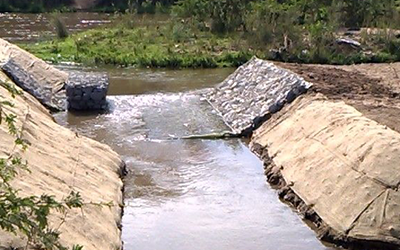
- Riverbank protection
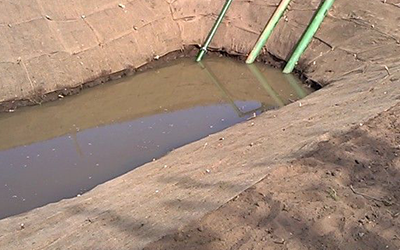
- Channel lining and erosion control
- Stream diversion or stabilisation works
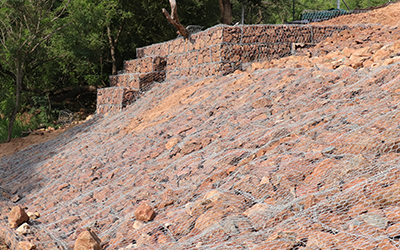
- Slope stabilisation near a watercourse
- Retaining structures within sensitive natural zones
Key Environmental Risks Associated with Gabion StructuresEnvironmental compliance is about identifying risks early and managing them properly.
Disturbance of Watercourses and Flow Patterns
Gabions may change the speed, direction, or spread of water flow—especially when installed on bends or narrow channels.
This can cause:
- Erosion Shifting To The Opposite Bank
- Scouring Downstream
- Undermining Of Adjacent Area
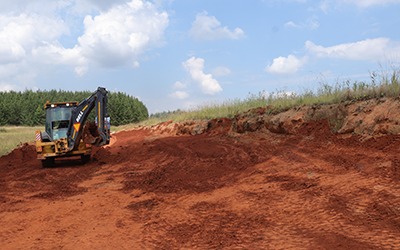
Sediment and Water Quality Impacts During Construction
During construction, soil disturbance can create:
- Muddy Runoff Into Rivers
- Increased Sediment Loads
- Reduced Water Quality For Aquatic Life

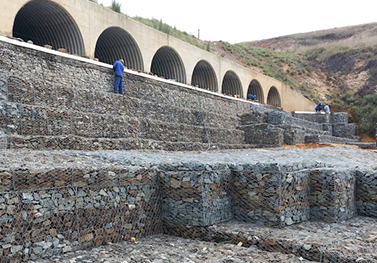
Wetland and Vegetation Impacts
Wetlands and riparian zones are often protected and highly sensitive. Removing vegetation for access can lead to:
- Loss Of Stabilising Root Systems
- Accelerated Erosion
- Habitat Disruption
Wildlife and Habitat Disruption
Riverbank and wetland areas may support:
- Aquatic Species
- Birds And Amphibians
- Insects And Plant Systems
Even temporary construction activity can disturb these ecosystems if not managed properly.
Environmental Compliance Requirements in South Africa (General Guidance)Environmental regulations can vary depending on the site, municipality, and the type of impact. In South Africa, gabion works near watercourses may fall under water-related and environmental controls.
Watercourse-Related Authorisations (Common Trigger)
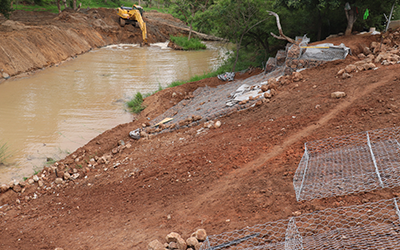
If the gabion structure is inside or near a river, stream, or wetland, the project may require authorisation for working near a water resource.
This is common for:
- Riverbank Protection
- Erosion Structures Inside The Channel
- Reshaping Banks Or Diverting Flow
Municipal and Landowner Requirements
Some projects also require:
- Local Municipality Approvals
- Estate Or Hoa Guidelines
- Landowner Agreements
- Construction Method Statements (Especially Near Water)
Environmental Authorisation May Apply
Depending on the scope of the work and sensitivity of the site, environmental authorisation processes may be required for developments that disturb the natural environment.
Important note:
Compliance requirements can differ significantly from one site to another. It’s always recommended to confirm requirements early to avoid project delays.
Best Practices for Environmentally Responsible Gabion DesignGood gabion design can reduce environmental impact while improving long-term structural performance.
Design for Natural Drainage and Flow
A compliant gabion solution should support natural water movement, rather than forcing water into high-velocity zones that cause further erosion.
Good design includes:
- Controlling Flow Direction On Bends
- Preventing Concentrated Scouring
- Incorporating Energy Dissipation Where Needed
Use Suitable Rock and Materials
Sourcing clean, durable rock reduces the risk of:
- Breakdown Into Sediment
- Pollution From Contaminated Material
- Reduced Lifespan Of The Structure
Include Erosion and Sediment Control Measures
To protect water quality during works, best practice measures include:
- Silt Barriers Or Sediment Traps
- Diversion Berms Where Required
- Scheduling Construction Outside Peak Rainfall Periods
- Stabilising Soil Immediately After Earthworks
Protect the Toe and Prevent Undermining
Undermining can cause structural failure and increased environmental disturbance.
Toe protection helps to:
- Reduce Scouring
- Stabilise The Bank Base
- Prevent Repeat Erosion
Limit the Construction Footprint
Environmental compliance isn’t only about the final structure—it’s also about how construction is done.
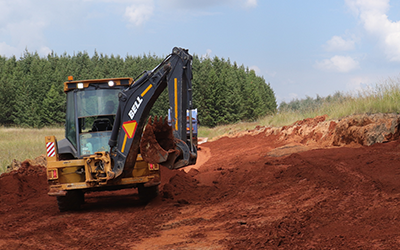
Responsible construction methods include:
- Limiting Disturbance To Only What Is Necessary
- Protecting Vegetation Where Possible
- Stabilising Exposed Soils Quickly
- Controlling Stockpiles And Access Roads

Documentation That May Support Environmental Compliance
While each project differs, it helps to be prepared with relevant documentation where required.
This may include:
Site Photos and Layout Information
Helpful for assessing proximity to:
Method Statement for Construction
A method statement can include:
Professional Site Assessment and Recommendations
Professional consultation provides:

Why Work With Civil Structural & Eco-Engineering?
Environmental compliance and gabion design go hand-in-hand—especially on sensitive sites. A strong structure that fails can cause both property damage and environmental harm, so correct planning is essential.
With Civil Structural & Eco-Engineering, you benefit from:
Site-Specific Gabion
Guidance
Practical Erosion Control Recommendations
Solutions That Work With Natural Terrain And Drainage
Support For Responsible Project Planning
Build Gabion Structures That Are Safe, Durable, and Responsible
Gabion structures are an excellent solution for erosion control and riverbank stabilisation—but environmental compliance should never be overlooked. Responsible planning protects your project, the environment, and your budget. If you are planning gabions near a watercourse, wetland, or erosion-prone area, it’s best to confirm compliance requirements early and design the structure correctly from the start.
Civil Structural & Eco-Engineering is available to assist with expert gabion design guidance and responsible site planning.